
news
— —
Single-Phase Distribution Transformer Specs That Affect Field Performance
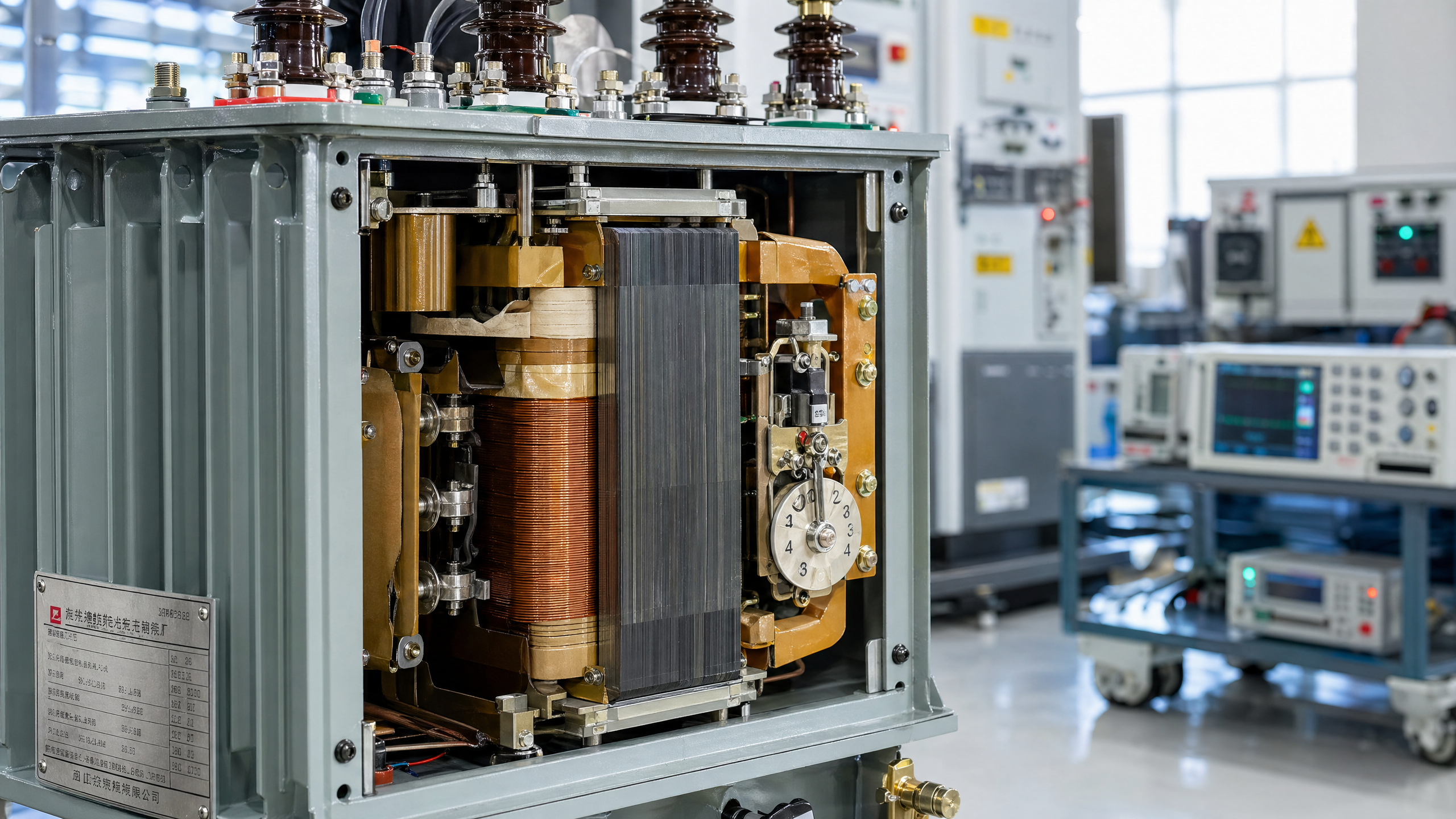
Choosing the right single-phase distribution transformer is not just about kVA on the nameplate. In field use, the specs that matter most are the ones that influence voltage regulation, heat, losses, noise, insulation life, and fault tolerance. For buyers, distributors, and technical evaluators, the practical question is simple: which specifications actually predict stable long-term performance, and which are just checklist items? The answer is that electrical design, thermal limits, materials, and test compliance usually matter far more than headline capacity alone.
If you are comparing suppliers or evaluating bids, the best approach is to look beyond price and rated power. A transformer that appears equivalent on paper can behave very differently in service depending on impedance, loss values, temperature rise, insulation system, tap arrangement, and manufacturing quality. Understanding these specifications helps reduce sourcing risk, avoid premature failures, and improve lifecycle value.
Which single-phase distribution transformer specs matter most in real field performance?
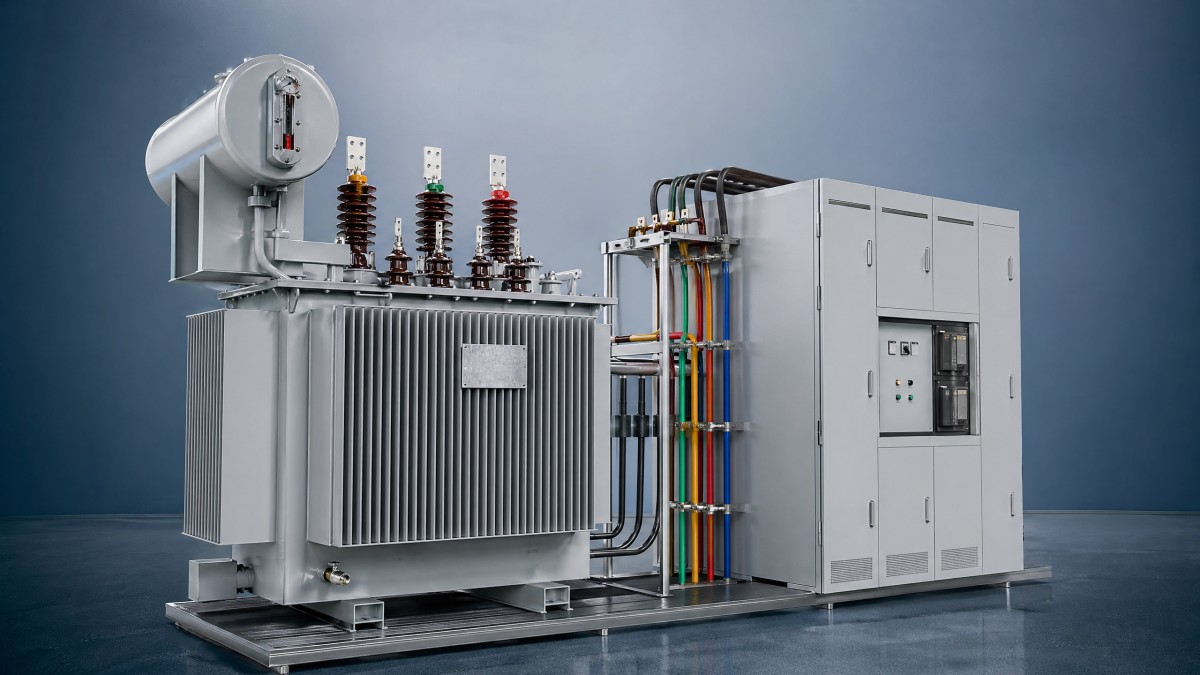
The core search intent behind this topic is usually commercial and technical at the same time: readers want to know which specifications have the strongest impact on actual operating results, so they can choose a transformer that performs reliably after installation, not just during quotation review.
The most important specifications to review are:
- Rated capacity (kVA): Must match actual load profile with reasonable future margin.
- Primary and secondary voltage: Determines compatibility with the utility side and end-use equipment.
- Voltage regulation: Affects output stability under varying load conditions.
- Impedance: Influences short-circuit current and load performance.
- No-load loss and load loss: Directly affect operating cost and thermal behavior.
- Temperature rise: Strongly linked to insulation aging and service life.
- Insulation class and dielectric strength: Critical for safety, durability, and harsh environments.
- Cooling method and oil quality: Important for heat dissipation and long-term stability in oil-immersed designs.
- Noise level: Especially relevant in residential, commercial, or public-facing installations.
- Tap changer range: Helps maintain output voltage when supply voltage fluctuates.
- Short-circuit withstand capability: Essential for grid disturbances and downstream fault conditions.
- Standards and test reports: Independent proof of performance consistency.
For most procurement decisions, these are the specifications that provide the clearest picture of whether a single-phase distribution transformer will deliver dependable field performance.
Why rated capacity alone is not enough
Many buyers begin with kVA because it is easy to compare. But two transformers with the same rated capacity can have very different field results.
For example, one unit may run cooler, have lower no-load loss, and maintain output voltage better under fluctuating demand. Another may be cheaper upfront but produce higher energy loss, more noise, and faster insulation aging. Over time, those differences affect electricity cost, maintenance requirements, and service interruptions.
This is especially important in applications with:
- Long operating hours
- Frequent load variation
- High ambient temperature
- Sensitive downstream equipment
- Remote or hard-to-service installations
In other words, capacity tells you whether the transformer can carry the load. It does not tell you how efficiently, how stably, or how reliably it will do so.
How losses affect efficiency, cost, and heat in the field
Loss values are among the most important practical specifications for procurement teams because they affect both operating cost and thermal stress.
No-load loss occurs whenever the transformer is energized, even if little or no load is connected. This is mainly tied to core material and magnetic design. For installations that run continuously, lower no-load loss can make a meaningful difference over the equipment lifetime.
Load loss rises with current and is largely related to winding resistance and design quality. Excessive load loss means more wasted energy and more heat during operation.
Why this matters:
- Higher losses increase power costs
- Higher losses raise operating temperature
- Higher temperature shortens insulation life
- Poor thermal performance can reduce reliability under sustained loading
For buyers comparing quotations, asking for clear no-load loss and load loss figures is one of the simplest ways to separate a low-price offer from a better long-term value offer.
Why temperature rise is a real reliability indicator
Temperature rise is not just a lab number. It is one of the best indicators of how hard a transformer is operating internally.
Lower temperature rise generally means:
- Better thermal margin
- Longer insulation life
- Lower risk of premature aging
- Better tolerance to ambient heat and overload events
In practical terms, a transformer installed in a hot climate, enclosed area, or continuously loaded site needs strong thermal performance. If the temperature rise is too high, even a correctly rated unit can experience accelerated deterioration.
This is one reason quality manufacturers invest in better core design, conductor sizing, insulation systems, and production control. For oil-immersed units, oil quality, sealing reliability, and tank design also play a major role in managing heat over the long term.
How voltage regulation and tap range affect downstream equipment
Voltage stability is a major field-performance issue, especially where supply conditions vary or loads are sensitive. A transformer with poor voltage regulation may show larger voltage drops under load, which can affect motors, controls, lighting, and electronics.
When reviewing specifications, buyers should pay close attention to:
- Secondary voltage tolerance
- Regulation performance under load
- Tap changer configuration
- Expected source voltage fluctuation
A suitable tap range gives installers and operators a practical way to correct for system voltage variation. This can be especially useful in rural networks, long feeder lines, and mixed-load environments where input voltage is not always stable.
If the project also includes broader low-voltage distribution coordination, some users review transformer selection alongside downstream equipment such as GCK LOW-VOLTAGE WITHDRAWABLE COMPLETE SWITCHAGEAR to improve system-level continuity and control.
Why impedance and short-circuit strength should not be overlooked
Impedance is often underappreciated by non-technical buyers, but it has a direct effect on fault current behavior and voltage drop. Choosing the wrong impedance level can create problems for both protection coordination and operational performance.
A properly specified impedance helps balance:
- Short-circuit current limitation
- Voltage performance under normal load
- Compatibility with protection devices
- Mechanical stress during fault events
Short-circuit withstand capability is equally important. In real distribution networks, fault events happen. A transformer should not only meet its nominal electrical function but also withstand the mechanical and thermal stress created by short-circuit conditions.
For this reason, test records and compliance with recognized standards are not paperwork formalities. They are evidence that the product has been validated beyond nameplate claims.
What procurement teams should verify before placing an order
For sourcing professionals, the goal is not to become transformer designers. The goal is to know which checkpoints reduce risk and support a better purchasing decision.
Before ordering a single-phase distribution transformer, verify the following:
- Rated kVA matches actual and future load requirements
- Voltage ratio and frequency match the application
- No-load and load loss values are clearly stated
- Temperature rise limits are suitable for the environment
- Insulation level and dielectric test data are available
- Impedance is specified for protection coordination needs
- Tap changer range fits expected voltage fluctuation
- Noise level is acceptable for the installation site
- Routine, type, or special test records are available where required
- Quality system certifications and manufacturing capability are credible
For distributors and agents, these details also make product positioning easier. They help explain why one product offers better lifecycle value than another, even when initial pricing is not the lowest.
How manufacturer capability influences specification consistency
Field performance depends not only on design specifications, but also on whether the manufacturer can consistently deliver them in production. This is where factory capability becomes highly relevant.
A capable transformer manufacturer should offer:
- Stable raw material quality control
- Modern production and testing equipment
- Recognized quality and environmental management systems
- Routine, type, and special test support where applicable
- Experience across oil-immersed, dry-type, and customized transformer applications
For example, manufacturers with stronger R&D and test capabilities are generally better positioned to control key performance factors such as low loss, low noise, low temperature rise, and short-circuit resistance. This becomes even more important for projects that require dependable operation across transformers, substations, and associated switchgear systems, including products like GCK LOW-VOLTAGE WITHDRAWABLE COMPLETE SWITCHAGEAR in integrated power distribution solutions.
Conclusion: the best transformer choice is the one that performs well after installation
When evaluating single-phase distribution transformer specs that affect field performance, the most useful mindset is to focus on operating reality rather than only purchase price or rated capacity. The best decisions usually come from comparing loss values, temperature rise, voltage regulation, impedance, insulation strength, tap flexibility, and verified testing.
For information researchers, this helps build a clearer technical understanding. For procurement teams, it reduces sourcing risk and supports better total-cost decisions. For distributors and agents, it improves product evaluation and customer communication.
In short, a single-phase distribution transformer should not be judged only by what is printed on the nameplate. It should be judged by how well its specifications translate into efficient, stable, and reliable field performance over time.