
news
— —
The Hidden Risk of Overloading a Single-Phase Distribution Transformer
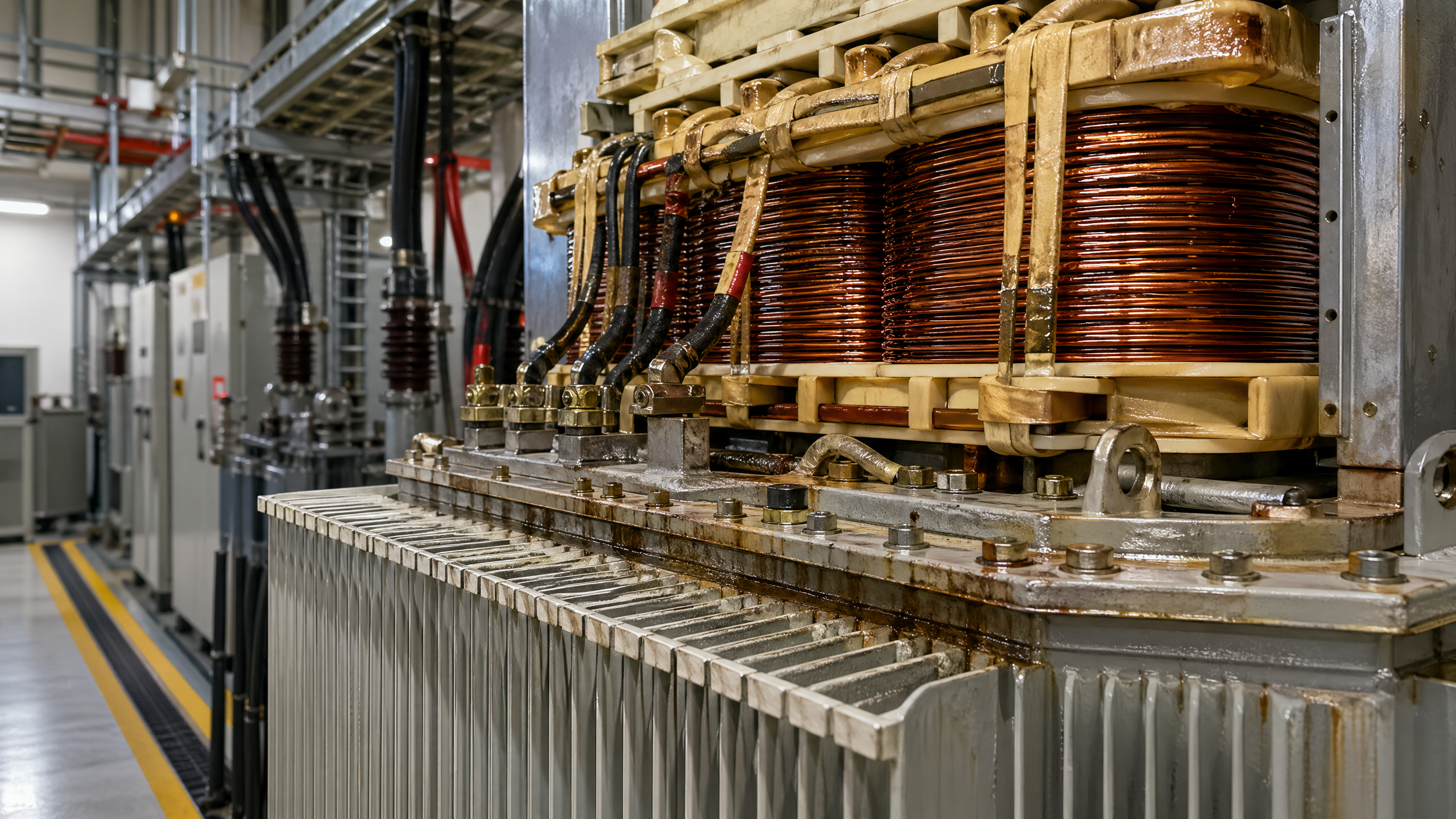
A SINGLE-PHASE DISTRIBUTION TRANSFORMER may seem simple to operate, but overloading it can trigger hidden risks that affect safety, efficiency, and equipment lifespan. For buyers, distributors, and technical researchers in industrial power systems, understanding these risks is essential to preventing costly downtime, overheating, and insulation failure while making smarter transformer selection and procurement decisions.
The short answer is clear: overloading a single-phase distribution transformer does not just reduce efficiency for a while—it can quietly accelerate insulation aging, raise fire risk, destabilize voltage quality, and shorten total service life far earlier than expected. For procurement teams and channel partners, this means transformer sizing should never be based only on nominal load today, but on peak demand, load growth, ambient conditions, and installation method.
Why overloading a single-phase distribution transformer is more dangerous than many buyers expect
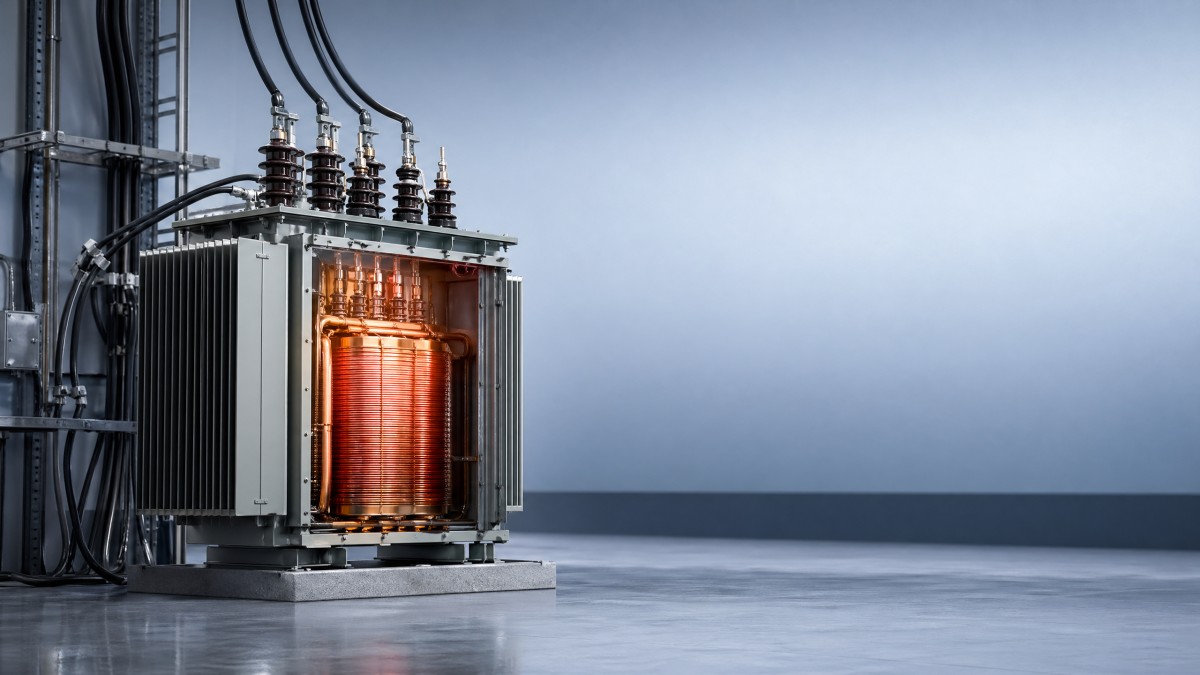
Many users assume that if a transformer continues running, it is still operating safely. In reality, a single-phase distribution transformer can appear normal from the outside while internal damage is already building up.
The biggest hidden issue is heat. When load current rises beyond the rated capacity, copper losses increase sharply, winding temperature rises, and the insulation system begins to deteriorate faster. This process is often gradual, which is why overload damage is easy to underestimate during early operation.
For industrial facilities, rural grids, commercial buildings, and temporary power applications, repeated overload can lead to:
- Abnormal temperature rise in windings and oil
- Faster insulation aging
- Higher load losses and energy waste
- Voltage drop at the secondary side
- Reduced equipment reliability during peak hours
- Premature transformer failure
This matters not only to end users, but also to distributors and procurement professionals evaluating long-term operating risk. A lower upfront price can become far more expensive if the unit is regularly pushed beyond its true working limits.
What actually happens inside the transformer during overload
When a single-phase distribution transformer is overloaded, several internal stresses increase at the same time.
1. Winding temperature rises rapidly
Transformer windings carry the electrical current. As load exceeds the rated value, current rises, and I²R losses increase. Because these losses grow with the square of current, even a moderate overload can produce a disproportionate increase in heat.
2. Insulation life drops much faster than expected
Transformer insulation is highly sensitive to temperature. Every sustained increase in hot-spot temperature can significantly reduce insulation life. In practice, this means a transformer designed for many years of service may age much faster if overload becomes routine.
3. Oil-immersed units face oil stress and thermal degradation
For oil-immersed transformers, excessive heat affects both the winding insulation and the insulating oil. High temperature can accelerate oil oxidation, reduce dielectric strength over time, and increase maintenance concerns.
4. Voltage regulation becomes poorer
As load rises, voltage drop on the transformer output becomes more noticeable. Sensitive motors, controls, lighting, and electronic devices may suffer from unstable or insufficient voltage, especially in long feeder systems.
5. Mechanical stress increases during fault conditions
A transformer already running hot under overload is less resilient when a short-circuit event or switching surge occurs. Repeated thermal stress weakens the overall structure and reduces fault withstand margin.
What are the real business risks for buyers, distributors, and project planners?
From a commercial standpoint, overloading is not just a technical concern. It directly affects operating cost, warranty risk, replacement cycles, and customer satisfaction.
Here are the main business consequences:
- Unexpected downtime: Failure during peak production or seasonal demand can interrupt operations and delay delivery schedules.
- Higher lifecycle cost: Energy loss, maintenance, and early replacement often outweigh any savings from undersizing.
- Safety and compliance issues: Overheated equipment can create fire hazards or fail inspection requirements.
- Reputation risk for suppliers and distributors: If a supplied transformer proves undersized for the real load profile, the customer may blame product quality rather than application mismatch.
- Capacity bottlenecks: Future expansion becomes difficult when the transformer has no thermal margin left.
For this reason, experienced buyers do not ask only, “What is the rated kVA?” They also ask, “What is the actual daily load pattern, what peaks occur, and what reserve capacity is needed?”
How to tell whether a single-phase distribution transformer is being overloaded
Overload is not always obvious. In many cases, the transformer continues operating, but warning signs start to appear.
Common indicators include:
- Transformer tank or enclosure feels unusually hot
- Frequent operation near or above rated current
- Noticeable voltage drop during peak load periods
- Protective device tripping or nuisance alarms
- Burning smell, oil discoloration, or unusual noise
- Load growth after new equipment has been added
For procurement teams reviewing installed systems, load measurement is critical. Nameplate capacity alone does not confirm correct application. Actual operating current, ambient temperature, duty cycle, and harmonic conditions should all be checked before deciding whether a unit is sufficient.
How to choose the right transformer capacity instead of simply buying the cheapest rating
The best way to avoid overload risk is proper selection from the beginning. This is especially important in industrial equipment and components projects where the load may be intermittent, seasonal, or expandable.
When selecting a single-phase distribution transformer, consider the following:
Evaluate real load, not just connected load
Connected equipment total is only a starting point. Actual demand, simultaneous usage, motor starting current, and peak periods provide a more accurate basis for sizing.
Include future expansion margin
If the site may add machines, HVAC loads, charging equipment, or auxiliary systems, reserve capacity should be planned in advance. A transformer that is “just enough” today may become overloaded very soon.
Consider ambient and installation conditions
High ambient temperature, poor ventilation, enclosed installation, and dusty or humid environments all reduce effective operating margin.
Match transformer type to application
Different projects may require oil-immersed transformers, dry-type transformers, or integrated substations. For some outdoor distribution scenarios where compact installation and system integration matter, planners may also evaluate solutions such as the AMERICAN STYLE BOX TRANSFORMER SUBSTATION as part of broader distribution design decisions.
Review standards, testing, and manufacturer capability
Consistent product quality depends on design, materials, process control, and testing. Buyers should look for suppliers with certified management systems, reliable testing procedures, and proven production capability.
Manufacturers with strong technical support can help customers estimate load margin more accurately and reduce the chance of underselection.
What preventive actions can reduce overload-related failures?
If a transformer is already in service, overload risk can still be controlled with practical measures.
- Monitor load current and peak demand regularly
- Track oil temperature or winding temperature where possible
- Improve ventilation around the installation area
- Redistribute downstream loads if one unit is heavily stressed
- Upgrade to a higher-capacity transformer before repeated overload becomes normal
- Inspect insulation condition and perform routine maintenance
For growing power distribution systems, replacing a marginally sized transformer early is often more economical than waiting for a failure. In integrated outdoor applications, engineered options such as an AMERICAN STYLE BOX TRANSFORMER SUBSTATION may also help optimize space use, protection coordination, and future network expansion.
Why supplier expertise matters when assessing overload risk
Overload problems are often caused not by product defect, but by mismatch between transformer selection and application reality. That is why supplier support is so important.
A capable transformer manufacturer should be able to help with:
- Load analysis and capacity recommendation
- Selection between oil-immersed and dry-type designs
- Adaptation to climate, altitude, and installation environment
- Short-circuit resistance and low-loss design considerations
- Documentation, testing, and compliance verification
For importers, distributors, and engineering buyers, this reduces technical uncertainty and supports better purchasing decisions across different project types.
Conclusion
The hidden risk of overloading a single-phase distribution transformer is not limited to temporary overheating. It can silently damage insulation, reduce voltage quality, waste energy, increase safety risk, and shorten the transformer’s useful life. For researchers, buyers, and distribution partners, the key lesson is simple: correct transformer sizing should be based on real operating conditions, not only nameplate assumptions or short-term cost pressure.
If a project has peak fluctuations, future load growth, or challenging environmental conditions, building in proper capacity margin is the safer and more economical choice. In transformer procurement, preventing overload is not just good engineering—it is good business judgment.