
news
— —
Single-Phase Distribution Transformer Lead Time Is Shifting
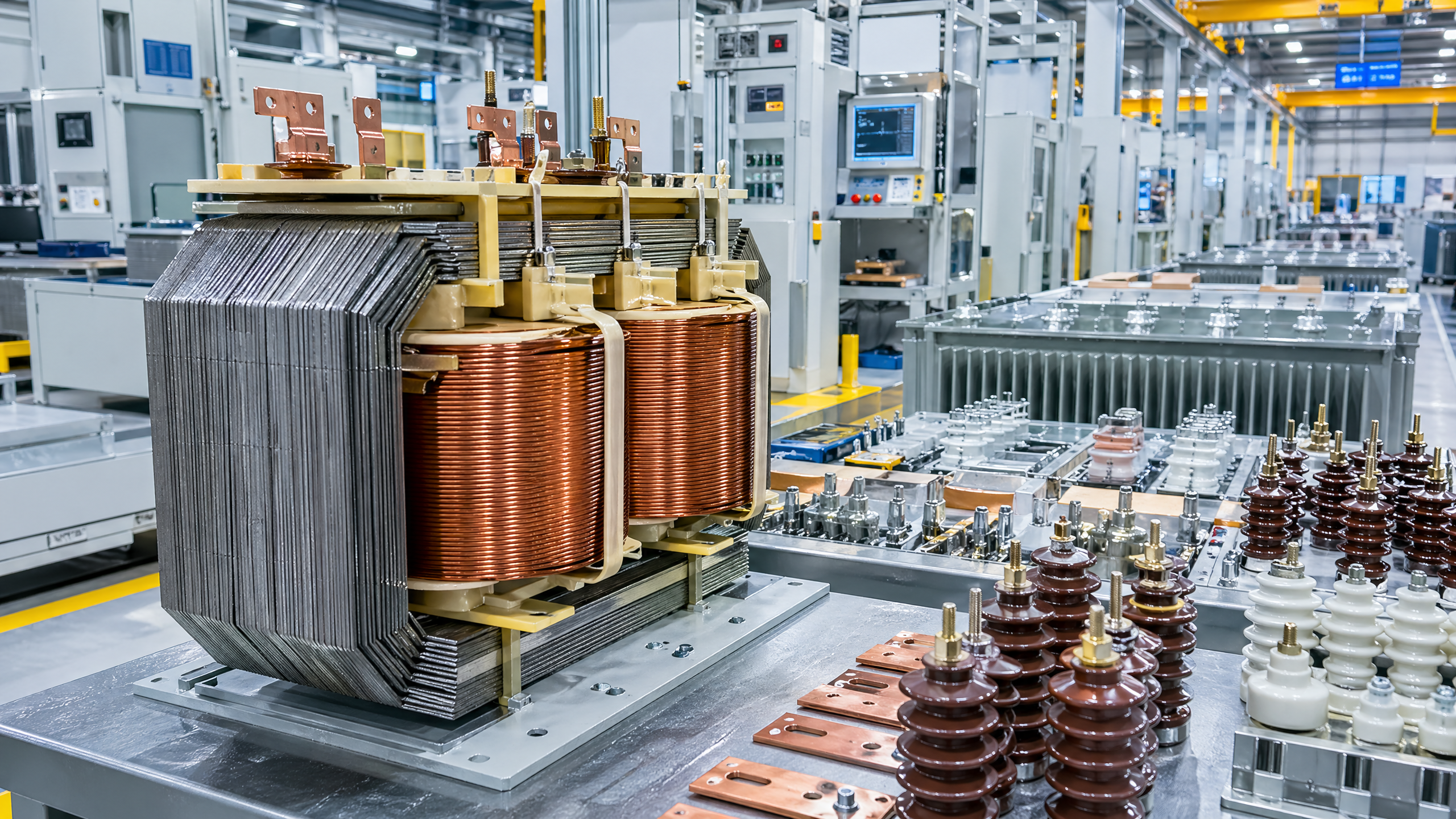
Lead times for SINGLE-PHASE DISTRIBUTION TRANSFORMER orders are changing as raw material supply, production scheduling, and project demand continue to evolve. For buyers, distributors, and market researchers, understanding these shifts is essential for better planning, cost control, and supplier selection. This article explores the key factors behind lead time changes and what they mean for sourcing reliable transformer solutions.
Why Are Single-Phase Distribution Transformer Lead Times Moving?
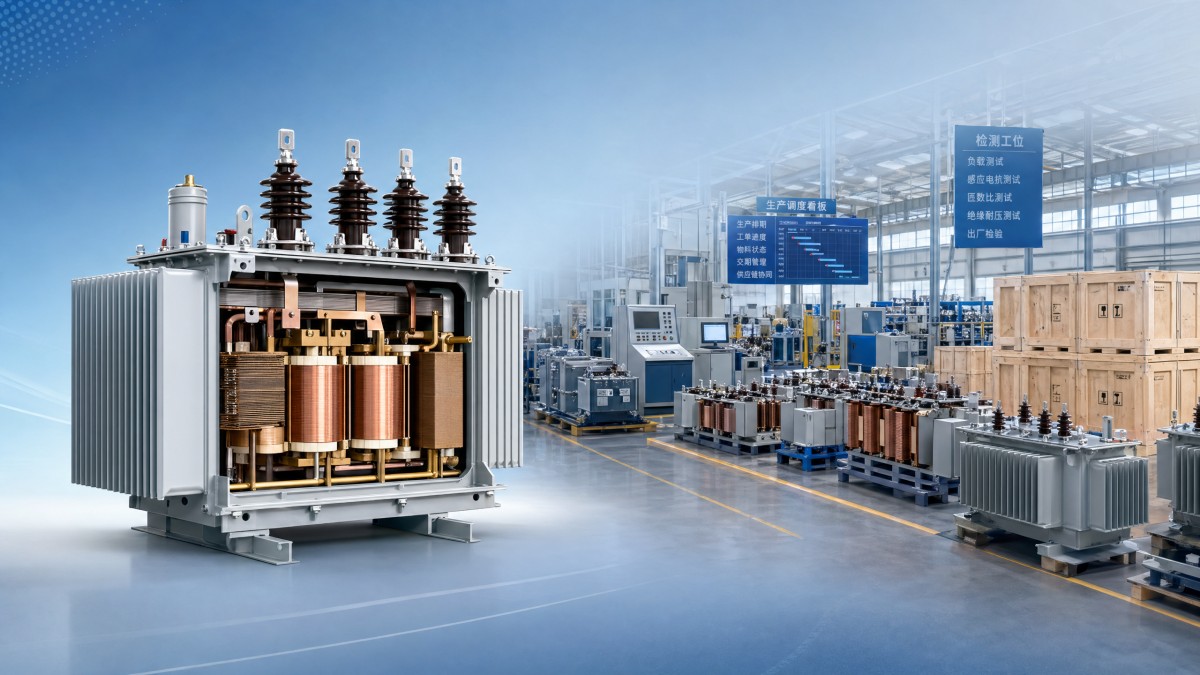
For most industrial equipment buyers, lead time is no longer a fixed number. In the single-phase distribution transformer market, delivery can shift from a few weeks to several weeks more depending on material flow, production load, and specification complexity. This matters because a transformer is rarely an isolated purchase. It is usually tied to project energization, rural grid expansion, facility upgrades, or distributor inventory planning.
Three forces are shaping current delivery conditions. First, core raw materials such as silicon steel, copper, insulation materials, and oil can fluctuate in availability. Second, factories often balance mixed orders across oil-immersed transformers, dry-type transformers, box substations, and switchgear, which affects production scheduling. Third, project demand is cyclical. Utility, construction, agricultural, and light industrial orders can concentrate in specific 4–8 week windows.
For procurement teams, the real question is not only “How long is the lead time?” but “What is driving it, and how predictable is it?” A supplier with stable process control, testing capability, and coordinated manufacturing can often manage delivery risk better than a trader relying entirely on external workshops. That distinction becomes critical when a project cannot tolerate repeated postponement.
Shandong Yide Transformer Co., Ltd. operates in Liaocheng, where advantageous transport links support shipment coordination. The company focuses on oil-immersed transformers, dry-type transformers, box-type substations, and high and low voltage switchgear, supported by modern production and testing equipment. For buyers comparing suppliers, this kind of integrated manufacturing base can help reduce communication delays between design confirmation, production, inspection, and dispatch.
The 4 most common lead time drivers
- Material readiness: copper conductor, silicon steel, transformer oil, bushings, and tap components may have different replenishment cycles, often ranging from a few days to 2–4 weeks.
- Order customization: non-standard voltage class, terminal arrangement, enclosure requirements, or special loss targets usually add engineering review and process preparation time.
- Test and inspection workload: routine testing is standard, but some projects also request type-related references, witness inspection, or extra documentation review before release.
- Logistics and packing method: domestic transport, export packing, and destination port scheduling can each add 3–10 days beyond factory completion.
What Lead Time Range Should Buyers Expect in Practice?
In practical sourcing, buyers should think in ranges rather than one universal promise. Standard single-phase distribution transformer orders with common ratings and conventional accessories may move faster than highly customized packages. On the other hand, orders tied to a larger electrical package can take longer because transformers must align with switchgear, protection devices, or site installation sequencing.
A useful approach is to separate procurement into 3 categories: stock-friendly standard units, configurable standard units, and engineered non-standard units. That gives purchasing teams a more realistic forecast. It also helps distributors decide which ratings should be stocked in small batches and which should remain project-based orders.
The table below shows a general industry-oriented framework for understanding how delivery often changes with order type. Actual lead time still depends on factory loading, technical confirmation speed, and shipping route, but the structure is useful for internal planning and supplier comparison.
This comparison is not a price list or a guarantee. It is a decision tool. If your project has a fixed energization date, a difference of even 7–10 days can affect commissioning, contractor mobilization, and payment milestones. Buyers should ask not only for production time, but also for drawing confirmation time, testing time, and shipping release time.
Distributors and agents should also note that short lead time on one order does not always mean short lead time on the next order. Stable repeatability usually depends on manufacturing capacity, process maturity, and supply chain discipline. Shandong Yide Transformer Co., Ltd., with annual production capability across transformers and switchgear, is positioned to support customers who need coordinated planning rather than one-off quotations only.
How order size changes delivery expectations
Small-batch orders may move quickly if they match existing production preparation. Medium-batch orders often require more deliberate scheduling because winding, tank preparation, assembly, and testing must stay balanced. Large project batches may need phased delivery in 2–3 shipments to protect site installation progress and warehouse capacity.
For that reason, experienced buyers often request a split schedule instead of waiting for the full quantity to finish. This is especially relevant when transformers are delivered together with cabinets, substations, or accessory packages. In some applications, related equipment such as an Power Distribution Cabinet may also need synchronized dispatch to avoid idle installation teams on site.
How Should Procurement Teams Evaluate Suppliers Beyond a Quoted Delivery Date?
A short promised lead time can look attractive, but procurement decisions should be based on controllability, not only speed. In industrial equipment sourcing, an unrealistic promise often creates larger downstream costs: schedule penalties, emergency substitutions, freight upgrades, or compatibility issues. A stronger method is to review 5 checkpoints before confirming a supplier.
First, confirm manufacturing scope. A producer that regularly handles oil-immersed transformers, dry-type transformers, box substations, and switchgear usually has broader engineering coordination experience. Second, verify management systems and process discipline. Shandong Yide Transformer Co., Ltd. states ISO9001 and ISO14001 certification, which is relevant for buyers requiring documented quality and environmental management.
Third, ask how testing and release are handled. The company notes modern product testing equipment and that several transformer and high-voltage cabinet series have passed routine, type, and special tests conducted by the National Quality Supervision and Inspection Center, while low-voltage cabinets have passed mandatory CCC certification. For buyers, the practical value is not promotional language; it is reduced uncertainty in inspection and document preparation.
Fourth, review communication speed. In many orders, 2–5 business days can be lost simply because technical details remain unclear. Fifth, examine whether the supplier can support a package solution. If the transformer must work together with switchgear or another Power Distribution Cabinet, cross-equipment coordination can be more important than the cheapest unit price.
A practical supplier evaluation matrix
The following table helps buyers, distributors, and sourcing teams compare suppliers using measurable dimensions instead of broad claims.
This matrix is especially useful when two suppliers quote similar prices but different schedules. One may offer a shorter date but with many assumptions left open. Another may offer a slightly longer schedule with a clearer production and release plan. For project reliability, the second option is often safer.
5 questions every buyer should ask before placing the order
- What technical data must be finalized before production starts, and which items can still be adjusted later?
- Is the quoted schedule based on current factory loading, or only on normal theoretical capacity?
- Which tests are included before shipment, and how long is the release process expected to take?
- Can delivery be split into phases if the site requires earlier installation of the first batch?
- What packing, marking, and documentation are needed for domestic delivery or export shipment?
What Can Buyers Do to Shorten Risk and Improve Delivery Predictability?
While no buyer can control every market factor, several actions can improve the chance of receiving a single-phase distribution transformer on time. The first is early technical clarity. When key parameters are confirmed at the RFQ stage, suppliers can estimate delivery with much greater confidence. Even a 3–5 day improvement in approval speed can prevent a schedule from slipping into the next production slot.
The second action is to prioritize what is truly non-negotiable. For example, if energization date is fixed but cabinet color or accessory brand is flexible, communicate that hierarchy clearly. Many late-stage delays happen because minor items are treated as critical only after production has already been scheduled. A well-managed procurement process usually distinguishes mandatory, preferred, and optional specifications.
The third action is batch strategy. Instead of placing one large order at the last minute, distributors and project contractors may secure core units first, then release secondary quantities based on site readiness. This reduces inventory pressure while protecting production capacity. In volatile periods, staged orders over 2–3 release points can be more practical than waiting for one final all-inclusive PO.
The fourth action is choosing a supplier with coordinated product capability. When transformers, box substations, and switchgear are sourced under one manufacturing system, technical matching is usually faster. Shandong Yide Transformer Co., Ltd. produces multiple transformer categories as well as high and low voltage switchgear, which can help customers reduce cross-vendor communication time in broader power distribution projects.
Lead time risk reduction checklist
- Confirm 6 core items before PO release: rated capacity, voltage ratio, frequency, cooling type, installation environment, and accessory list.
- Reserve 1 extra review cycle for drawings or nameplate details if the order is export-related or distributor-branded.
- Ask for milestone dates covering production start, routine test, packing completion, and shipment release rather than one final date only.
- If the project includes multiple devices, verify interface points between transformer, cable termination, protection, and cabinet connection in advance.
FAQ: Delivery, Selection, and Common Misunderstandings
The questions below reflect what information researchers, procurement officers, and channel partners often ask when evaluating single-phase distribution transformer sourcing options. They are also useful for internal team alignment before RFQ release.
How long does a single-phase distribution transformer usually take?
For standard configurations, a common industry range is about 2–4 weeks, while configurable standard orders may take 3–6 weeks. Non-standard projects can extend to 5–8 weeks or more. These are planning ranges, not fixed rules. The actual schedule depends on technical complexity, current production loading, test requirements, and shipping arrangement.
What usually causes unexpected delivery delays?
The most common causes are incomplete technical data, changes after drawing confirmation, accessory substitution issues, and late inspection approval. In many cases, the delay is not caused by the transformer body itself but by document revision, packing confirmation, or coordination with related equipment. Buyers should track at least 4 milestones: data confirmation, production release, testing completion, and shipping readiness.
Is a shorter quoted lead time always better?
Not necessarily. A very short promise may omit engineering review, inspection hold points, or export packing time. A reliable lead time is often more valuable than an aggressive one. For industrial equipment procurement, consistency matters because delayed commissioning can cost more than a modest difference in purchase price.
What should distributors and agents focus on?
Distributors should separate regular stock demand from project demand. Standard units can be stocked in limited quantities, while special configurations should remain build-to-order. They should also evaluate whether the supplier can support documentation, brand marking, and mixed shipments. For channel business, repeatability over 6–12 months is usually more important than one unusually fast order.
Why Work With a Manufacturer That Understands Delivery Pressure?
When lead time is shifting, the strongest supplier is not simply the one that claims speed. It is the one that can explain the schedule, control the process, and coordinate quality, testing, and shipment with fewer surprises. That is particularly important in the industrial equipment and components sector, where transformers are linked to broader power distribution reliability and project commissioning deadlines.
Shandong Yide Transformer Co., Ltd. combines transformer manufacturing with box-type substation and switchgear capability, backed by modern production equipment and advanced testing equipment. Its product portfolio covers oil-immersed transformers, dry-type transformers, special transformers, and multiple cabinet types such as KYN28, HXGN, MNS, GCS, GCK, GGD, GGJ, and JP. For buyers, this means one supplier can often support a broader electrical package discussion.
If you are evaluating current single-phase distribution transformer lead times, you can contact the company to discuss 6 practical topics: parameter confirmation, model selection, delivery window, customized configuration, certification and document needs, and quotation planning. This is useful whether you are comparing factory options, preparing a tender, developing distributor inventory, or aligning a project schedule.
A productive inquiry should include your target rating, voltage requirements, quantity, application environment, requested accessories, and desired delivery timing. With clearer input, it is easier to assess whether a standard solution is sufficient or whether a customized production plan is needed. That saves time on both sides and improves sourcing accuracy from the start.