
news
— —
What Causes Early Failure in a Single-Phase Distribution Transformer?
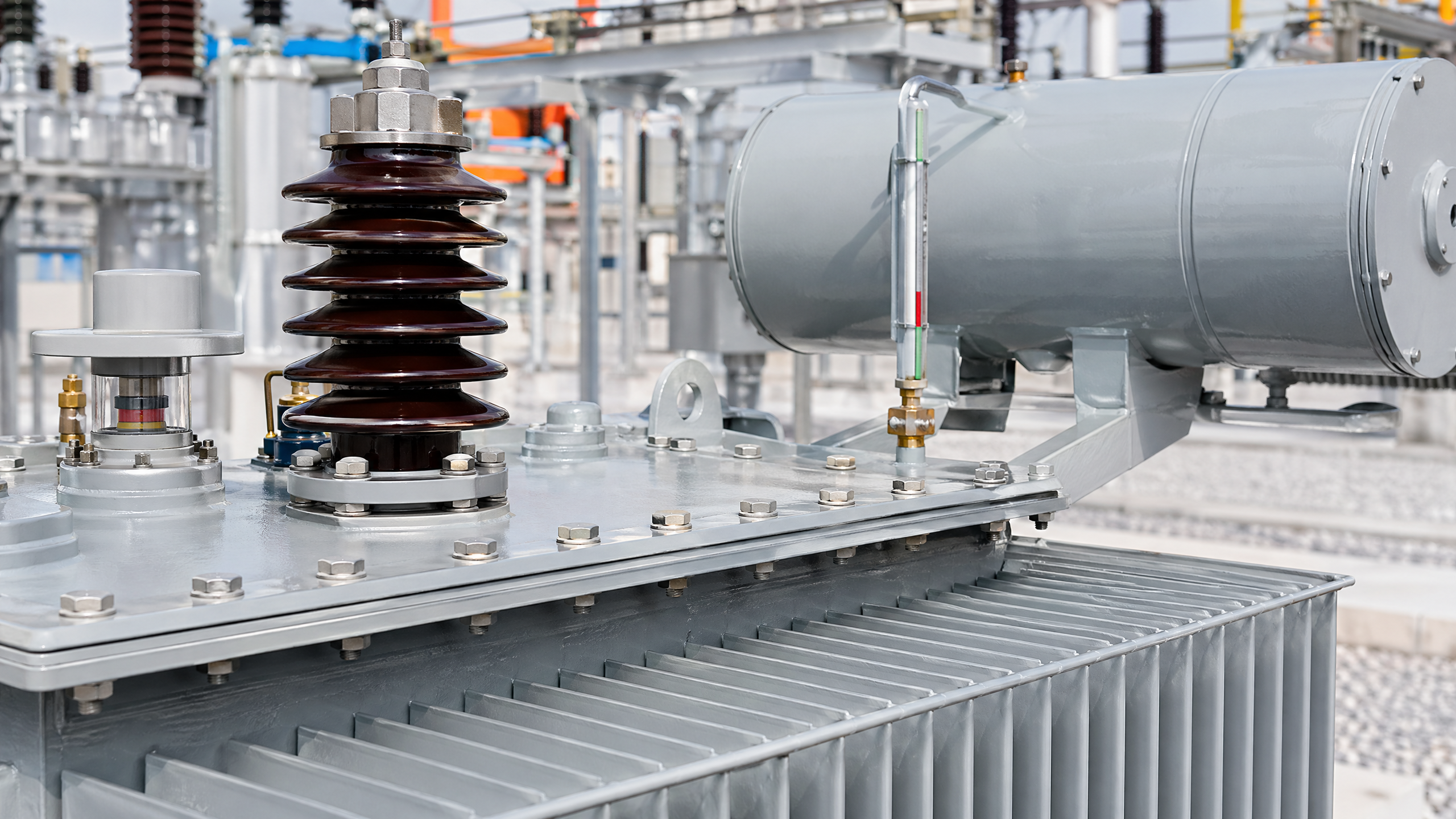
Early failure in a SINGLE-PHASE DISTRIBUTION TRANSFORMER can lead to unexpected downtime, higher maintenance costs, and serious supply risks. For researchers, buyers, and distributors, understanding the root causes—from insulation defects and overload to poor manufacturing quality and installation issues—is essential for making informed decisions and choosing reliable transformer solutions.
In industrial power distribution, a premature transformer breakdown rarely comes from one isolated factor. More often, it is the result of a chain of design, manufacturing, transport, installation, and operating issues that gradually weaken the unit before visible failure appears. For procurement teams and channel partners, identifying these causes early helps reduce replacement frequency, improve lifecycle cost control, and protect project delivery schedules.
This article explains the most common causes of early failure in single-phase distribution transformers, the warning signs to watch for, and the practical selection criteria that can help buyers choose more dependable equipment for utility, industrial, commercial, and rural distribution applications.
Insulation Weakness and Thermal Stress Are the Most Common Starting Points
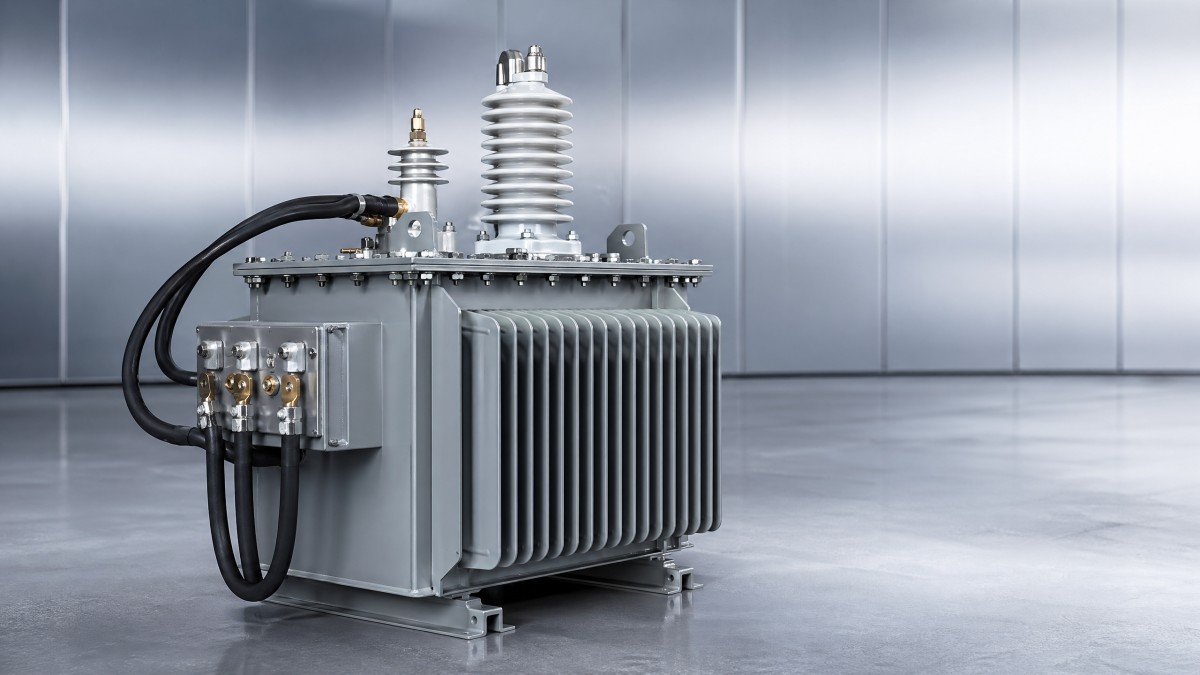
Insulation failure is one of the earliest and most destructive problems in a single-phase distribution transformer. In oil-immersed designs, the insulation system depends on both solid materials and insulating oil working together. If either component is contaminated, poorly processed, or exposed to excessive temperature rise, dielectric strength can decline quickly, sometimes within the first 6–24 months of service instead of the expected multi-year operating life.
Thermal stress is closely linked to insulation aging. Even a temperature increase of 8°C–10°C above the intended operating level can significantly accelerate degradation. In practical field conditions, repeated overload, poor ventilation, harmonic loading from nonlinear equipment, and high ambient temperatures above 40°C can all contribute to early insulation damage. Once hotspots develop in the winding, paper insulation becomes brittle and partial discharge risk increases.
Typical insulation-related failure triggers
- Moisture ingress during storage, transport, or installation, especially when sealing quality is poor.
- Insulating oil contamination from particles, oxidation by-products, or improper filling procedures.
- Uneven winding compression that creates local electrical stress points under impulse conditions.
- Excessive loading above rated capacity for long periods, such as daily operation at 110%–130% without proper thermal margin.
For buyers comparing suppliers, the key point is not only whether a transformer meets nameplate capacity, but whether the manufacturer controls drying, vacuum treatment, oil filling, and temperature-rise performance during production. A well-built unit should be designed for low loss, stable insulation coordination, and reliable short-circuit withstand performance under real operating fluctuations.
The table below outlines common insulation and heat-related causes, their early symptoms, and their operational impact. This helps technical evaluators connect failure mechanisms with inspection priorities before large-volume procurement.
The main conclusion is simple: if the insulation system is weak, other strengths in the transformer will not matter for long. Buyers should therefore request routine test records, temperature-rise data, and production process consistency instead of focusing only on initial price.
Manufacturing Quality and Material Control Directly Affect Service Life
Early failure is often traced back to hidden quality variation during manufacturing. Two transformers may share the same nominal rating, but they can perform very differently if conductor purity, core lamination quality, insulation handling, or assembly precision are inconsistent. In industrial equipment procurement, this is where supplier capability becomes more important than catalog claims.
A reliable transformer manufacturer should have controlled production processes, modern testing equipment, and a stable inspection routine for routine, type, and special tests where applicable. Shandong Yide Transformer Co., Ltd. focuses on oil-immersed transformers, dry-type transformers, box-type substations, and high- and low-voltage switchgear, supported by modern manufacturing equipment, dedicated testing devices, and quality management under ISO9001 and ISO14001 systems. For buyers, these fundamentals matter because process discipline reduces the risk of hidden defects that only appear after commissioning.
What poor manufacturing quality usually looks like in the field
Field failures linked to manufacturing may include loose winding clamping, oil leakage from inadequate sealing, abnormal no-load noise, elevated load loss, weak short-circuit withstand ability, or unstable tap changer operation. These problems may not always be visible during a short acceptance test, which is why factory process verification is critical.
Four checkpoints for procurement teams
- Verify whether the supplier can provide routine electrical test records for each unit.
- Check whether core loss, load loss, and temperature rise align with the quoted design level.
- Confirm sealing, drying, and oil treatment procedures for oil-immersed products.
- Review whether the product range has passed relevant national inspection or mandatory certification where required.
The company’s product portfolio includes units such as S13, S20, S22, SCB12, SCB14, and SCB18, as well as high- and low-voltage cabinets. This breadth can benefit distributors and project contractors who need coordinated power distribution equipment from one source rather than managing multiple vendors across the same project cycle of 2–8 weeks.
In some medium- and high-voltage applications, transformer reliability must be matched with dependable switchgear protection and isolation. For integrated distribution planning, buyers may also review products such as KYN61-40.5(Z) ARMORING METAL-ENCLOSED SWITCHGEAR when building a complete upstream and downstream power distribution scheme.
Installation Errors, Network Conditions, and Operating Practices Often Accelerate Failure
Even a well-manufactured single-phase distribution transformer can fail early if installation practices are poor. Common mistakes include incorrect grounding, inadequate clearance, improper cable terminations, insufficient oil level inspection, and energizing the unit without verifying phase balance and load conditions. These errors are especially common in fast-track utility expansion, rural electrification, and temporary industrial projects.
Network conditions also matter. Voltage fluctuation beyond typical design tolerance, repeated switching surges, lightning exposure, and high short-circuit stress can all reduce transformer life. In areas with unstable feeder conditions, protective coordination between transformer, surge arrester, fuse, and switchgear should be reviewed as a system rather than as separate purchases.
Common site-related risk factors
- Ambient temperatures above 45°C without adequate ventilation or derating.
- Altitude and pollution conditions that affect cooling and insulation margins.
- Load growth of 15%–25% after installation without updating transformer sizing.
- Improper transport or lifting that loosens internal components before commissioning.
For dealers and EPC contractors, the issue is not only equipment supply but also commissioning quality. A transformer that is stored outdoors for 30–60 days without proper protection may absorb moisture or suffer gasket deterioration before it ever carries load. This can create disputes later that are difficult to assign to manufacturing or site handling alone.
The following table shows how installation and operating conditions influence early failure risk and what practical actions can reduce that risk during project execution.
The practical lesson is that early failure is often preventable when procurement, logistics, installation, and protection design are treated as one continuous quality chain. A low failure rate depends as much on execution discipline as on equipment nameplate data.
How Buyers and Distributors Should Evaluate Transformer Reliability Before Ordering
For information researchers, purchasing teams, and distributors, the best way to reduce early failure risk is to move from price-led buying to specification-led buying. A single-phase distribution transformer should be evaluated across electrical performance, manufacturing consistency, application suitability, and service support. This is especially important for repeat procurement programs, dealer inventory planning, and long-term utility or industrial supply contracts.
Key evaluation dimensions before purchase
At minimum, buyers should compare 5 core areas: rated capacity, loss performance, insulation system quality, short-circuit resistance, and after-sales technical responsiveness. In many projects, a transformer with slightly higher upfront cost but lower no-load and load losses can provide better total value over 3–10 years of operation.
It is also useful to assess whether the supplier can support related equipment, such as box substations or switchgear, because integrated sourcing can reduce coordination errors and shorten delivery interfaces. Shandong Yide Transformer Co., Ltd. offers oil-immersed transformers, dry-type transformers, special transformers, YBW European-style box transformers, ZGS American-style box transformers, and multiple switchgear cabinet types, which is valuable for channel partners managing multi-product demand.
Practical procurement checklist
- Ask for the rated operating conditions, including ambient temperature, installation altitude, and load profile.
- Request routine test documentation and confirmation of factory inspection steps.
- Confirm delivery lead time, spare parts support, and response cycle for technical questions.
- Review whether packaging and transport methods suit long-distance shipment and site conditions.
- Check compatibility with associated distribution equipment and protection settings.
For projects involving complete power distribution packages, buyers may again consider coordinated products such as KYN61-40.5(Z) ARMORING METAL-ENCLOSED SWITCHGEAR to align transformer supply with switching, protection, and cabinet configuration requirements. This is particularly helpful where one supplier needs to support both transformer and switchgear integration under a unified delivery plan.
A dependable supplier should also be able to discuss application-specific solutions rather than offering only standard catalog ratings. For example, coastal humidity, mining dust, renewable energy interface loads, and rural network voltage variation each require slightly different attention during product selection and commissioning.
Maintenance Planning, Failure Prevention, and FAQ for Long-Term Operation
Preventing early failure does not stop after installation. A basic maintenance program can detect abnormal conditions before they turn into costly outages. For many single-phase distribution transformers, a practical inspection interval is every 3–6 months in standard environments and every 1–3 months in high-temperature, dusty, or moisture-prone locations.
Recommended maintenance focus points
- Check for oil leakage, corrosion, and seal condition around bushings and tank joints.
- Record load current and operating temperature trends to identify overload patterns.
- Inspect grounding, cable terminations, and external connections for loosening or discoloration.
- Test insulation condition and oil quality as appropriate for service duration and operating environment.
Distributors and service partners can add value by offering pre-energization checks, spare planning, and routine field guidance. This is especially important where end users lack in-house electrical maintenance teams. Even a simple 4-step inspection routine can significantly reduce avoidable claims and unexpected shutdowns.
FAQ: What buyers frequently ask
How do I know if a transformer is undersized?
If the unit regularly operates near or above rated current during peak hours, shows persistent temperature rise, or supports future load growth without reserve, it may be undersized. A 10%–20% design margin is often more practical than sizing exactly to current demand.
Can early failure happen even with a new transformer?
Yes. New units can fail early because of hidden manufacturing defects, improper transport, moisture ingress during storage, or poor site commissioning. This is why incoming inspection and installation control are just as important as product selection.
What should distributors ask manufacturers before stocking products?
They should ask about annual production capability, quality control process, test coverage, packaging method, after-sales technical support, and available matching equipment. For example, Shandong Yide Transformer Co., Ltd. provides transformer and switchgear product lines with annual capacities covering transformers up to 500000 KVA and 1500 sets of switchgear, which can support broader channel planning.
Early failure in a single-phase distribution transformer is usually the result of insulation weakness, overheating, inconsistent manufacturing quality, improper installation, or poor operating conditions. The most effective risk reduction strategy is to evaluate the full lifecycle: design, testing, transport, installation, protection coordination, and maintenance. If you are comparing suppliers, planning a project, or building a distribution portfolio, choosing a manufacturer with stable production capability, tested products, and coordinated power equipment support can improve reliability and reduce long-term operating cost. To discuss transformer selection, integrated switchgear solutions, or customized project requirements, contact Shandong Yide Transformer Co., Ltd. to get product details and a practical quotation plan.