
news
— —
Single-Phase Distribution Transformer Pricing in 2026: What Changed?
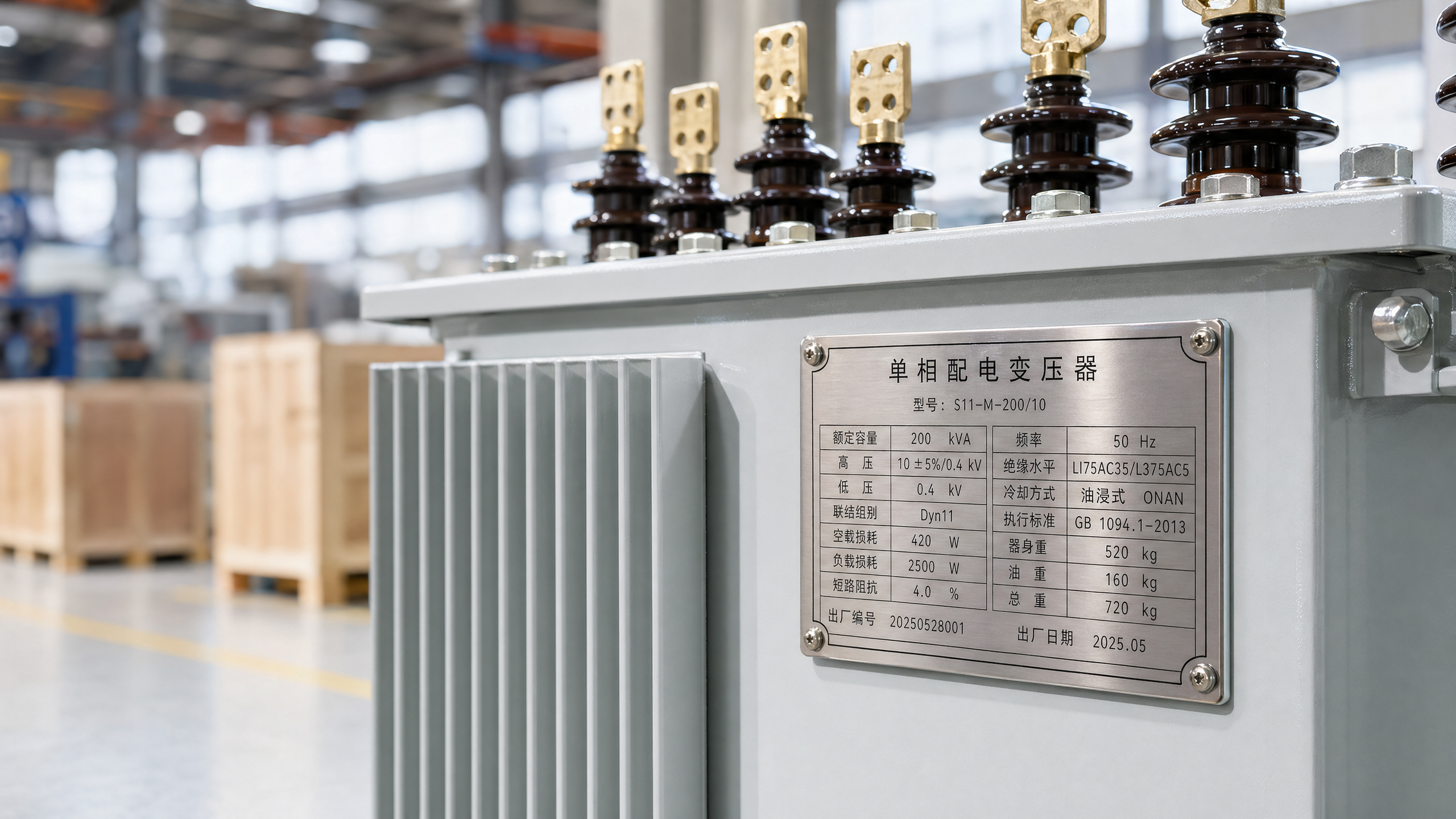
In 2026, SINGLE-PHASE DISTRIBUTION TRANSFORMER pricing is being shaped by raw material shifts, energy-efficiency standards, freight costs, and supplier capabilities. For researchers, buyers, and distributors, understanding what changed is essential for smarter sourcing decisions. This article breaks down the key pricing drivers, market trends, and specification factors influencing costs, while helping you evaluate reliable manufacturing partners for long-term value.
What changed in 2026 single-phase distribution transformer pricing?
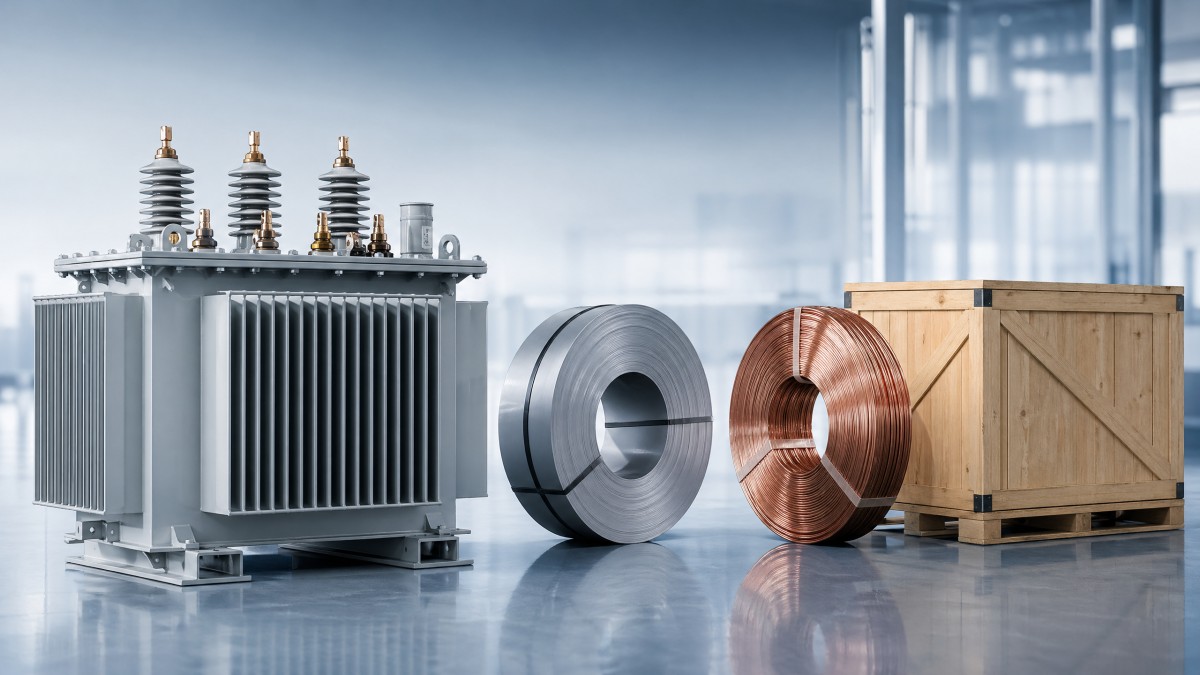
For many buyers, the main surprise in 2026 is not one dramatic cost jump, but the combination of several pricing pressures happening at the same time. Single-phase distribution transformer pricing now reflects more disciplined material sourcing, tighter loss-performance expectations, and stronger scrutiny of delivery reliability. In industrial equipment procurement, this means the quoted price must be read together with specification scope, test requirements, and logistics terms.
The biggest cost influence still comes from core materials and conductor choices. Grain-oriented electrical steel, copper, and in some cases aluminum continue to move within typical quarter-to-quarter ranges rather than remaining fixed for 6–12 months. Even when nameplate capacity looks similar, a transformer designed for lower no-load loss and lower load loss usually carries a different internal cost structure than a basic model made only to meet minimum operating conditions.
A second change is that buyers are comparing lifecycle value more seriously. In 2026, distributors and EPC buyers are less willing to focus only on unit price per set. They increasingly ask about temperature rise, short-circuit resistance, noise, insulation system, and routine test coverage. This is especially true for utilities, renewable-energy support projects, and mixed urban-rural distribution upgrades where continuous operation can extend across 8,000 hours or more per year.
A third change involves manufacturing capability. A lower quote from a workshop with weak test control may no longer be competitive once rework, late delivery, or mismatch risk is considered. Buyers now look for suppliers that can support multiple transformer categories, related switchgear integration, and compliance documentation in 3–5 clear steps. That shift benefits manufacturers with stable production systems and broader electrical equipment experience.
The 4 cost drivers buyers should check first
Before requesting quotations, buyers should separate price changes into four practical dimensions rather than treating every increase as a market issue alone. This avoids comparing offers that look similar on paper but differ in internal design, testing, or service scope.
- Material mix: copper versus aluminum windings, core grade, tank steel thickness, and insulating oil quality all affect the cost baseline.
- Efficiency target: lower loss designs often increase upfront cost but reduce operating expense over 3–10 years.
- Compliance and testing: routine tests are standard, while type or special tests may add lead time and quotation differences.
- Delivery structure: EXW, FOB, and project-site delivery can produce materially different landed costs once packing and freight are added.
When these four factors are clarified early, procurement teams can reduce quotation drift, shorten evaluation cycles from several rounds to 1–2 rounds, and improve comparability across suppliers.
Which specification choices have the biggest price impact?
In single-phase distribution transformer sourcing, the final price is heavily shaped by specification detail. Buyers who send only kVA rating and voltage class often receive quotations that cannot be fairly compared. At minimum, a useful RFQ should define installation environment, insulation class, conductor preference, tapping requirement, cooling method, frequency, and whether accessories such as protection devices or mounting hardware are included.
Capacity range matters, but not by itself. A small jump in rating can create a larger-than-expected price change if the design also requires lower loss, reduced noise, or stricter temperature-rise control. In many project discussions, the real difference comes from whether the transformer is intended for standard utility distribution, rural network extension, pole-mounted deployment, renewable-energy feeder support, or commercial building applications with tighter noise and space constraints.
Accessories also move pricing in a meaningful way. Bushings, off-circuit taps, oil level indication, pressure relief, terminal arrangement, anti-corrosion treatment, and packaging method can collectively alter cost and delivery by 7–15 days depending on factory scheduling. For distributors, these details are especially important because one “standard” stock model may not satisfy three different regional customer expectations.
The table below shows how common specification variables influence quotation logic. It is not a universal price list, but it is a practical decision tool for comparing offers from transformer manufacturers and electrical equipment suppliers.
The key takeaway is simple: if two quotations use different conductor material, loss targets, or accessory scope, they are not directly comparable. Procurement teams should normalize 5–8 technical items before negotiating price, otherwise the lowest offer may only be lower because it excludes a meaningful part of the requirement.
Why related equipment knowledge matters during transformer purchasing
In real projects, transformers rarely work alone. They are part of a distribution package that may include box substations, high-voltage cabinets, low-voltage switchgear, and protection devices. A supplier that understands interface coordination can often identify hidden cost drivers earlier, such as terminal arrangement, cabinet matching, or installation sequence. This helps avoid field modification expense after delivery.
That is one reason many buyers prefer manufacturers with wider electrical equipment capability. For example, if a project also involves medium-voltage switching sections, familiarity with products such as KYN61-40.5(Z) ARMORING METAL-ENCLOSED SWITCHGEAR can support more accurate system-side planning. The value is not only in product breadth, but in better interface definition between transformer output, cabinet layout, and installation conditions.
For distributors and agents, this broader coordination capability can reduce communication loops by 2–3 rounds, especially when end users ask for one supplier to support both transformer and switchgear matching.
How should buyers compare suppliers instead of comparing unit price alone?
In 2026, the most expensive quotation is not always the highest-cost option, and the cheapest quotation is not always the lowest-cost option. The right comparison method is total procurement value: technical consistency, manufacturing reliability, test transparency, logistics coordination, and after-sales response. For industrial equipment buyers, this approach reduces risk more effectively than focusing on the ex-factory figure alone.
A useful supplier review usually covers at least 6 checkpoints: product range, annual production capability, testing process, certification status, project communication speed, and customization support. This matters because a transformer order may start with one model but quickly extend into accessories, matching cabinets, or revised voltages. A supplier with only narrow manufacturing capability may struggle once the project scope changes.
Shandong Yide Transformer Co., Ltd. offers a relevant example of what many B2B buyers now seek. The company manufactures oil-immersed transformers, dry-type transformers, box-type substations, and high and low voltage switchgear, with transformer production capability up to 500000 KVA annually and switchgear output up to 1500 sets per year. For procurement teams, that kind of manufacturing breadth can support sourcing continuity instead of fragmented vendor management.
The company also reports ISO9001 and ISO14001 system certification, modern production equipment, advanced testing equipment, and product lines including S13, S20, S22, SCB12, SCB14, and SCB18 that have passed routine, type, and special tests conducted by the National Quality Supervision and Inspection Center. Low-voltage cabinets have also passed mandatory CCC certification. For buyers, these points do not replace technical review, but they do strengthen baseline confidence in process control and documentation readiness.
A practical supplier evaluation table for procurement teams
The following table helps buyers compare transformer suppliers using measurable B2B criteria. It is especially useful when you are shortlisting 3–4 suppliers and need a repeatable internal evaluation method.
This kind of comparison often changes the negotiation outcome. A supplier with slightly higher unit pricing may deliver lower total project cost if documentation, testing, and delivery execution are more dependable. That is particularly relevant for agents and distributors who carry reputation risk with each resale.
Three signs a low quotation may not be the best deal
- The quote does not clearly state conductor material, loss values, tap configuration, or test scope.
- The supplier gives a very short lead time but provides no packing, inspection, or drawing confirmation schedule.
- The offer excludes accessories or logistics items that are usually required for commissioning or site installation.
If any of these signs appear, buyers should request a revised technical and commercial breakdown before comparing final numbers.
What is the smartest procurement approach for researchers, buyers, and distributors?
Different buyer types face different risks. Information researchers need a clear view of market logic. Procurement officers need technical comparability and delivery certainty. Distributors need repeatable product quality and communication support for resale. Because of that, the smartest procurement strategy in 2026 is not a single tactic but a staged evaluation process that filters risk before price negotiation begins.
A practical process often works in 4 stages over 1–3 weeks, depending on project complexity. Stage 1 confirms electrical requirements. Stage 2 checks supplier capability and compliance basis. Stage 3 compares quotations on a normalized technical sheet. Stage 4 finalizes delivery, packing, and after-sales support. This structure is especially effective for international procurement where a missing document or accessory can delay customs or installation.
For projects involving integrated distribution solutions, buyers should also verify whether the supplier can support related products such as box substations and switchgear, not just the transformer itself. Shandong Yide Transformer Co., Ltd., located in Liaocheng, Shandong, benefits from convenient transportation through the convergence of the Jinan-Zhengzhou High-Speed Railway and the Beijing-Kowloon High-Speed Railway. In practice, location and logistics access can help coordination, factory visits, shipment planning, and communication efficiency.
Another smart step is to ask for documentation alignment before placing a bulk order. This may include nameplate confirmation, routine test expectations, packing list format, and destination-market compliance notes. Spending 2–3 extra days here can prevent much larger delays later, especially for orders intended for resale channels or public utility projects.
A 5-point RFQ checklist that improves quote accuracy
If you want clearer single-phase distribution transformer pricing, use the following checklist before asking for quotations. It reduces ambiguity and helps suppliers return more accurate and comparable offers.
- State rated capacity, primary and secondary voltage, frequency, and installation location.
- Clarify whether copper or aluminum winding is acceptable and whether low-loss design is required.
- List accessory needs such as taps, bushings, protection components, terminal arrangement, or anti-corrosion treatment.
- Request lead time in calendar days and identify whether packing, freight, or inspection witness is included.
- Ask for supporting documents, including certification basis and available test records for the offered product family.
This checklist is also useful for distributors building standard quotation forms. It creates better consistency across repeated orders and reduces the chance of hidden commercial assumptions.
Common questions before placing an order
Many searches around single-phase distribution transformer pricing are really questions about risk, not just cost. The FAQ below addresses the issues most often raised by researchers, procurement teams, and channel partners during early-stage supplier evaluation.
How long is the usual delivery cycle for a single-phase distribution transformer?
For standard configurations, lead time is often discussed in terms of several weeks rather than a few days. A common commercial range may be around 2–6 weeks depending on capacity, material availability, accessory scope, and testing schedule. Custom requirements, destination packing, or multi-item electrical packages can extend that timeline. Buyers should ask for separate dates for drawing confirmation, production completion, testing, and shipment readiness.
Is a lower-loss transformer always the better purchase?
Not always. A lower-loss design often makes sense when the transformer runs continuously, power cost is meaningful, or the project owner evaluates total lifecycle expense over 3–10 years. However, for temporary, low-utilization, or highly budget-constrained installations, the payback period may be less attractive. Buyers should compare upfront cost against estimated operating profile rather than assuming one efficiency level fits every project.
What are the most common quotation mistakes in transformer procurement?
Three mistakes appear repeatedly: missing technical detail, unclear delivery terms, and incomplete accessory scope. Another frequent issue is comparing quotations with different conductor materials or different test assumptions. In channel sales, one more mistake is ignoring resale documentation needs. If a distributor cannot quickly provide compliance and inspection information to an end user, the sale cycle becomes slower and the price advantage may be lost.
Can one supplier support both transformers and switchgear for a project?
In many cases, yes, and this can simplify project execution. A manufacturer with experience in transformers, box substations, and high and low voltage switchgear can help align electrical interfaces, reduce communication gaps, and support package procurement. For example, when switchgear coordination is involved, familiarity with equipment such as KYN61-40.5(Z) ARMORING METAL-ENCLOSED SWITCHGEAR may be valuable during planning and matching discussions. The benefit is usually smoother integration, not merely a broader catalog.
Why choose a manufacturing partner with broader electrical equipment capability?
When transformer prices become more sensitive to material, compliance, and delivery variables, the best partner is often the one that can reduce uncertainty across the whole procurement chain. That includes technical clarification, quotation accuracy, testing coordination, packing quality, and after-sales communication. In industrial equipment projects, these areas often have more effect on business outcome than a small difference in unit price.
Shandong Yide Transformer Co., Ltd. combines transformer manufacturing with dry-type transformer, oil-immersed transformer, box-type substation, and switchgear production capability. With modern production equipment, advanced testing equipment, and supporting process devices, the company is positioned to support buyers who need stable product quality, practical engineering communication, and a wider solution perspective rather than a single isolated item.
For procurement managers, distributors, and agents, this means you can discuss not only current single-phase distribution transformer pricing, but also specification confirmation, delivery cycle planning, accessory matching, certification basis, and project-oriented customization. This is particularly useful when orders involve multiple voltage levels, rural distribution deployment, commercial power distribution, or phased project purchasing across more than one shipment window.
If you are evaluating suppliers for 2026 sourcing, a productive next step is to send your rated capacity, voltage, installation environment, conductor preference, and target delivery schedule for review. You can also ask about low-loss configuration options, box substation matching, switchgear coordination, documentation support, sample communication process, and quotation structure. A clear technical discussion at the start usually leads to faster pricing alignment and more dependable procurement decisions.