
news
— —
Why Single-Phase Distribution Transformer Heat Rise Gets Missed
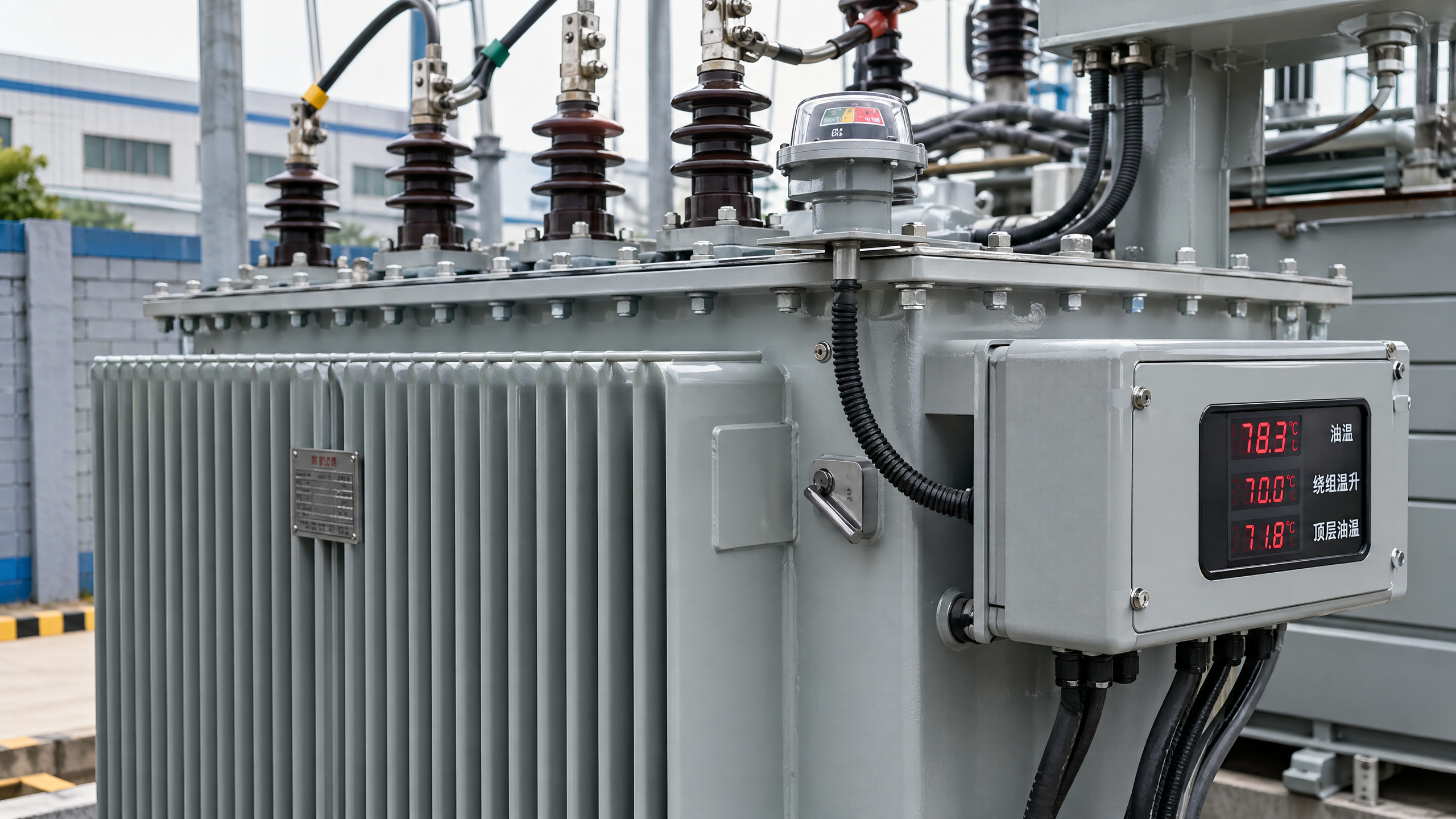
Why does heat rise in a SINGLE-PHASE DISTRIBUTION TRANSFORMER often go unnoticed until efficiency drops or failures occur? For researchers, buyers, and channel partners, understanding this hidden risk is essential when evaluating transformer quality, safety, and lifecycle cost. This article explores the common reasons heat rise gets missed and what to look for in modern distribution transformer design and testing.
Why is transformer heat rise often underestimated in real projects?
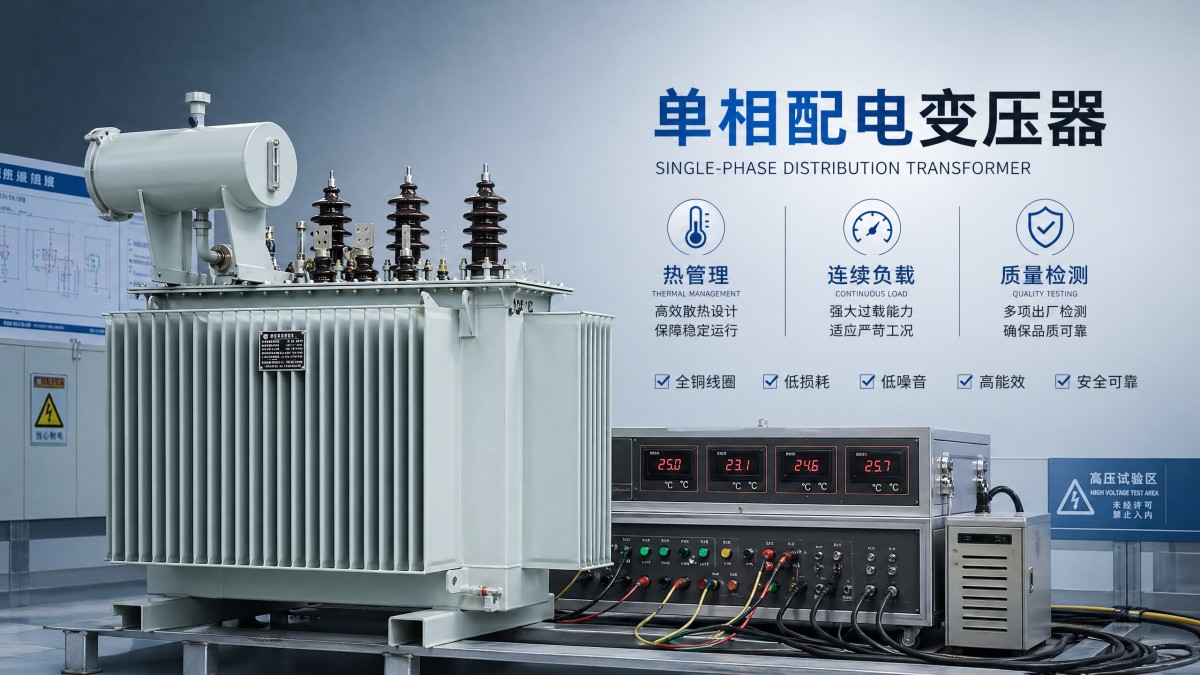
In industrial power distribution, heat rise is not just a laboratory value. It directly affects insulation aging, load stability, loss performance, and maintenance frequency. Yet in many single-phase distribution transformer purchases, buyers focus first on rated capacity, voltage ratio, and price, while temperature rise remains a secondary line item. That gap is where long-term operating risk begins.
A common reason heat rise gets missed is that the transformer may appear normal during short commissioning periods. A unit can pass initial energization, deliver output, and still develop excessive thermal stress after 8–12 hours of continuous loading, during peak ambient temperature, or under harmonic-rich conditions. This is especially relevant in rural grids, construction sites, renewable integration points, and mixed industrial loads.
Another issue is specification mismatch. Some users compare only kVA ratings but ignore cooling medium, winding material, core loss, load loss, installation altitude, and enclosure ventilation. In practice, a 10°C–15°C difference in operating rise can materially change insulation life and overload tolerance, even when nameplate capacity looks similar.
For procurement teams and distributors, the challenge becomes more complex because thermal behavior is tied to manufacturing discipline. Material selection, winding process control, oil path design, core stacking accuracy, and test consistency all affect the final temperature profile. This is why technically mature manufacturers are preferred over suppliers that compete only on upfront cost.
Three reasons the warning signs are easy to miss
- Thermal problems often build gradually, so there is no obvious fault in the first 1–4 weeks of operation.
- Routine inspections may focus on voltage and current while skipping hotspot checks, oil temperature trend review, or load pattern analysis.
- Site conditions such as dust, poor airflow, unbalanced downstream demand, and repeated peak loading can push a compliant design beyond its practical comfort zone.
For information researchers, this means heat rise should be treated as a decision indicator, not a minor technical appendix. For purchasing staff, it should be part of total cost review. For agents and resellers, it should be part of after-sales risk control because overheating claims often become channel-side reputation problems.
Which technical factors most strongly influence single-phase distribution transformer heat rise?
Heat rise in a single-phase distribution transformer is usually the combined result of magnetic loss, copper loss, cooling efficiency, and installation environment. No single value explains everything. A robust evaluation should look at at least 5 key dimensions: core material, conductor design, insulation system, cooling path, and realistic load profile.
Core loss contributes to no-load heating, while winding loss grows as current increases. If the application has long daily run periods or frequent overload windows of 2–3 hours, conductor cross-section and winding layout become critical. In oil-immersed transformers, oil circulation quality and tank heat dissipation also heavily shape the operating temperature margin.
Ambient conditions must not be underestimated. A transformer working in a ventilated indoor room behaves differently from one installed in a compact box-type station exposed to summer heat, solar radiation, and dust buildup. Even if the same rated unit is used, the effective thermal stress can differ meaningfully across these scenarios.
Manufacturing consistency is the hidden variable. Shandong Yide Transformer Co., Ltd. focuses on oil-immersed transformers, dry-type transformers, box-type substations, and high and low voltage switchgear, supported by modern production and testing equipment. For buyers, this matters because low temperature rise performance depends on repeatable process control, not only on design drawings.
A practical evaluation table for heat rise risk
The table below helps procurement teams compare the main variables that affect transformer thermal performance during selection, factory review, and project approval.
This comparison shows why heat rise must be reviewed as a system topic. A buyer who checks only one metric may miss the interaction between load profile, losses, and cooling capacity. In channel sales, using this type of evaluation sheet can reduce project disputes later.
Where special applications need extra caution
Rectification, renewable conversion, and nonlinear industrial loads can intensify thermal stress through harmonics and uneven duty cycles. In these cases, standard distribution assumptions may not be enough. Some projects require closer review of special designs, including units such as SPECIAL TRANSFORMER-RECTIFIER TRANSFORMER, where application-specific thermal control becomes part of system reliability planning.
What should buyers, distributors, and engineers check before placing an order?
A strong procurement process does not start with the quotation sheet. It starts with application clarification. For a single-phase distribution transformer, the first 4 questions should cover actual load pattern, installation environment, duty cycle, and compliance expectations. Without these details, even a technically acceptable transformer may underperform in the field.
Buyers should also distinguish between nominal performance and project-ready performance. For example, if the transformer will run close to rated load for more than 10 hours per day, or in ambient conditions approaching 40°C, the thermal margin deserves more attention than in intermittent service. This matters in industrial workshops, agricultural distribution points, telecom support power, and temporary infrastructure systems.
For distributors and agents, heat rise affects more than technical acceptance. It affects warranty exposure, replacement cost, and end-user satisfaction. A low-priced unit that runs hotter may trigger oil degradation, insulation fatigue, or nuisance failures, creating downstream cost that is not visible in the first purchase order.
Shandong Yide Transformer Co., Ltd. offers product coverage across oil-immersed transformers, dry-type transformers, box transformers, and switchgear, with ISO9001 and ISO14001 system certification stated by the company. For B2B buyers, this broader manufacturing capability is useful because the transformer can be evaluated not only as a standalone item but as part of a fuller distribution solution.
A practical pre-order checklist
- Confirm whether the load is stable, cyclical, or peak-heavy across a 24-hour operating window.
- Identify ambient temperature range, altitude, enclosure conditions, and ventilation limitations before final sizing.
- Request routine test scope, temperature rise testing basis, and any special test arrangement needed for the project.
- Verify whether the selected transformer must coordinate with upstream switchgear, box substations, or renewable energy interfaces.
Selection priorities by buyer type
Different decision-makers weigh heat rise differently. The table below summarizes what usually matters most in industrial equipment procurement and channel distribution.
This role-based view helps align purchasing language with technical language. It also supports more efficient quote comparison, because the discussion moves from generic “good quality” claims to application-specific thermal suitability.
How do standards, testing, and factory capability reduce heat-rise uncertainty?
Heat rise should be judged through documentation, test discipline, and manufacturing capability together. Routine tests confirm basic electrical performance, but for buyers concerned with long service life, the real value is in how consistently the factory can reproduce low-loss, low-noise, low-temperature-rise designs across repeated orders.
A reliable supplier should be able to explain which tests are routine, which are type-related, and when a project may justify special verification. This is particularly important when transformers will be integrated into compact box substations or paired with high and low voltage switchgear, where heat accumulation can involve multiple pieces of equipment rather than the transformer alone.
Shandong Yide Transformer Co., Ltd. states that its products include models such as S13, S20, S22, SCB12, SCB14, and SCB18, and that developed transformers and high-voltage cabinets have passed routine, type, and special tests conducted by the National Quality Supervision and Inspection Center, while low-voltage cabinets have passed CCC certification. For buyers, the practical takeaway is to ask for the applicable test scope for the exact configuration being quoted.
Factory capability also affects delivery reliability. A manufacturer with modern production equipment and specialized process support is generally better positioned to control winding quality, oil treatment, structural assembly, and final inspection. These are not abstract strengths. They directly influence whether thermal performance stays stable from batch to batch over 2, 5, or 10 projects.
What compliance-minded buyers should ask for
- A clear statement of applicable standards and the test category relevant to the offered transformer.
- Routine inspection items covering loss, ratio, insulation-related checks, and other project-relevant items.
- Explanation of how ambient temperature, enclosure form, and duty cycle affect the selection recommendation.
- Confirmation of production lead time, documentation lead time, and shipment arrangement, often planned in 2–4 week or project-specific stages.
Do special applications require different thermal thinking?
Yes. Projects involving conversion equipment, industrial DC processes, or demanding duty cycles may require design adaptation rather than standard selection. In such cases, discussing special transformer options early can shorten technical review time and improve final matching. Depending on the load profile, a solution such as SPECIAL TRANSFORMER-RECTIFIER TRANSFORMER may deserve evaluation as part of the broader power distribution plan.
What are the most common misconceptions, and what should you do next?
One misconception is that heat rise only matters when a transformer is overloaded. In reality, normal-load overheating can still happen if ambient temperature is high, ventilation is limited, harmonics are present, or manufacturing consistency is weak. Another misconception is that all transformers with the same kVA rating will perform similarly over time. They do not.
A second mistake is treating losses and heat rise as separate topics. They are closely linked in service. Lower loss design often supports better thermal behavior, and better thermal behavior helps preserve insulation life. This is why lifecycle thinking matters more than line-item price when the equipment is expected to operate for years under continuous or semi-continuous duty.
A third misconception is waiting for visible failure symptoms. By the time oil condition worsens, odor appears, or recurring temperature alarms show up, the transformer may already have accumulated thermal aging. Preventive selection is more cost-effective than corrective replacement, especially when installation access, outage scheduling, and logistics add indirect cost.
For project planners, the best next step is to convert thermal concerns into a structured inquiry. That means confirming 3 categories early: operating conditions, compliance requirements, and delivery expectations. Once these are clear, it becomes much easier to compare suppliers on meaningful technical ground instead of generic commercial claims.
FAQ: fast answers for real procurement conversations
How can I tell whether a single-phase distribution transformer is likely to run too hot?
Review the application first: ambient temperature, daily operating hours, load fluctuation, and enclosure conditions. Then compare loss data, test scope, and cooling assumptions. If the project has long runtime, limited airflow, or nonlinear loads, request a more detailed technical review before approval.
What are the top 5 checkpoints during supplier comparison?
Focus on core loss, winding design, cooling structure, testing basis, and production consistency. These 5 checkpoints usually reveal more about practical thermal performance than broad marketing language or low headline pricing.
Is a lower purchase price always a better deal for distributors?
Not necessarily. A lower upfront price can create higher channel cost through replacements, complaints, service visits, and delayed project acceptance. In B2B power equipment, stable temperature performance often protects margin better than aggressive short-term pricing.
Why choose us for transformer selection and project support?
Shandong Yide Transformer Co., Ltd. combines transformer manufacturing capability with supporting switchgear and box substation experience, which helps buyers evaluate heat rise not as an isolated issue but as part of the full distribution system. The company’s product range, testing resources, and focus on low loss and low temperature rise are relevant for industrial users seeking dependable long-term operation.
If you are comparing single-phase distribution transformer options, you can contact us to discuss rated capacity, operating environment, expected duty cycle, matching with box-type substations or switchgear, certification expectations, and typical delivery planning. We can also support product selection, parameter confirmation, customization direction, quotation communication, and application review for special load scenarios.
For distributors, agents, and procurement teams, a clear technical conversation at the start can save weeks of rework later. Share your voltage level, load type, installation condition, and project timeline, and we can help you identify a transformer solution that is better aligned with thermal reliability, compliance needs, and lifecycle value.