
news
— —
When Is a Single-Phase Distribution Transformer Undersized?
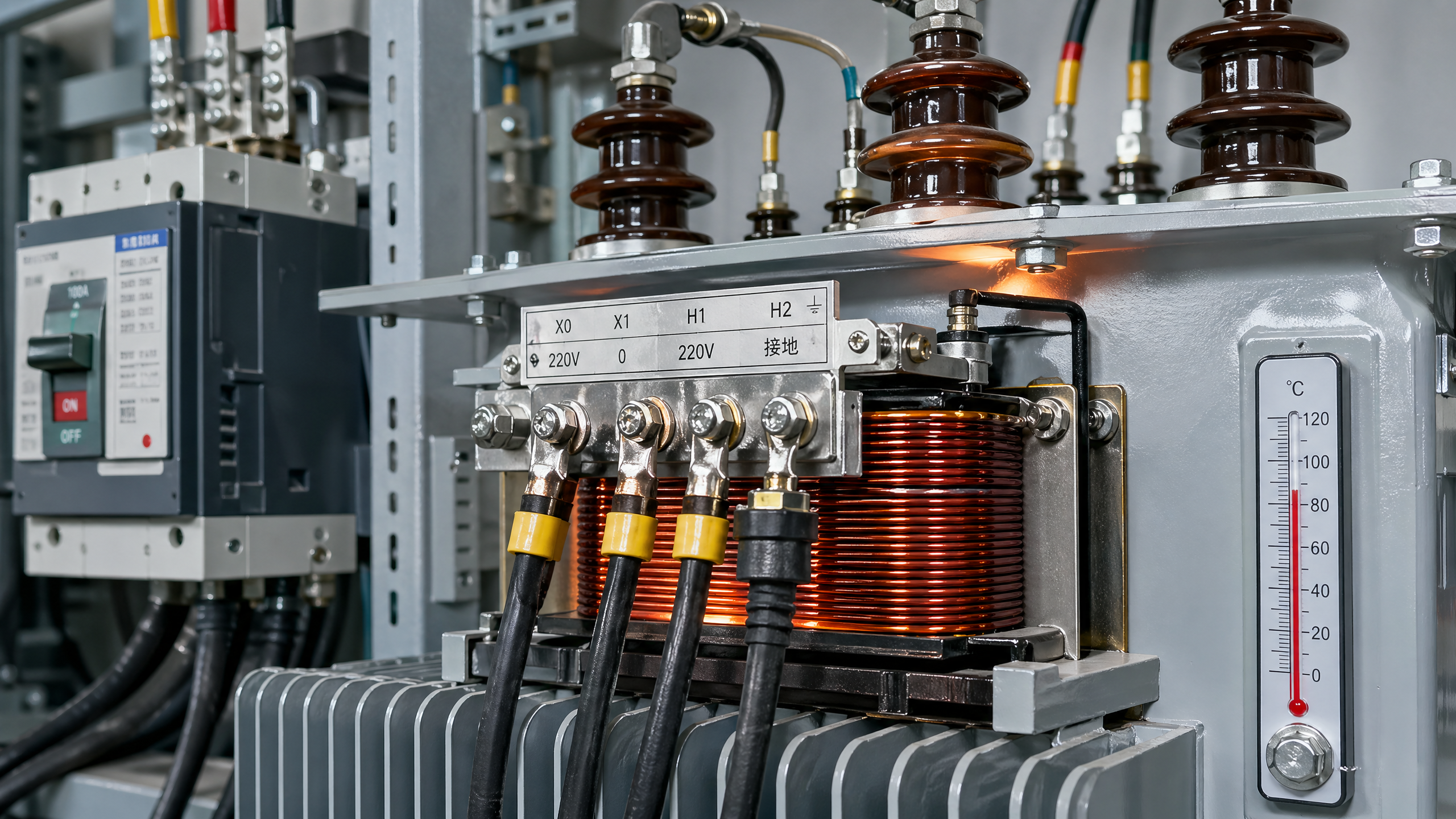
An undersized single-phase distribution transformer does not just “run a bit harder.” In real applications, it usually shows up as repeated voltage drop, excessive heat, nuisance tripping, poor motor starting, reduced insulation life, and in severe cases, premature failure of both the transformer and downstream equipment. For buyers, distributors, and project planners, the practical answer is simple: a transformer is undersized when the actual connected load, starting current, load growth, or operating environment pushes it beyond a safe and economical operating range for sustained service. The key is not only nameplate kVA, but how the load behaves in the field.
How can you tell a single-phase distribution transformer is undersized?
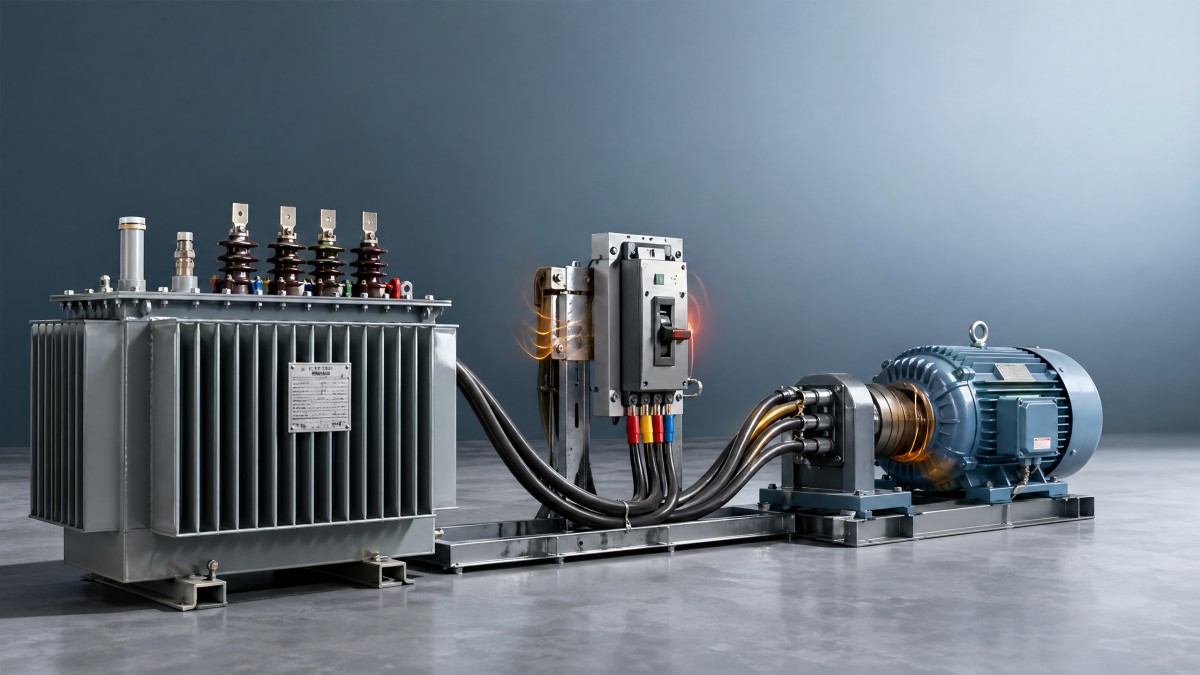
The clearest sign is that the transformer cannot support the real operating load without performance problems. In practice, a single-phase distribution transformer is likely undersized when one or more of the following conditions appear:
- Persistent voltage drop at the secondary side, especially during peak load periods
- Transformer overheating or abnormally high top-oil / winding temperature rise
- Frequent overload operation relative to rated kVA
- Buzzing becomes more pronounced under load, often accompanied by heat and reduced efficiency
- Poor starting performance of motors, compressors, pumps, or HVAC equipment
- Protective devices trip repeatedly even though downstream equipment seems normal
- Accelerated insulation aging, shortening service life
In short, if the transformer’s actual duty is beyond what its rating and thermal design can support, it is undersized even if it “still works.”
What usually causes undersizing in real projects?
Undersizing often starts long before installation. It is usually the result of incomplete load assessment rather than a manufacturing problem. Common causes include:
- Only counting connected load, not demand characteristics
- Ignoring inrush current or motor starting current
- Underestimating future expansion
- Not considering ambient temperature, altitude, or ventilation limits
- Using a unit sized for intermittent load in a continuous-load application
- Assuming power factor has no impact on practical loading
For industrial equipment and parts applications, these mistakes are common in workshops, farms, temporary installations, light manufacturing sites, renewable energy auxiliary systems, and rural power distribution projects where loads vary by season or shift.
What are the operational risks of an undersized transformer?
For procurement teams and distributors, the biggest concern is usually not theory, but cost and reliability. An undersized transformer can create several direct business risks:
- Higher failure rates: continuous thermal stress damages insulation and internal components
- Unexpected downtime: voltage instability affects production equipment and control systems
- Reduced equipment life: motors, relays, drives, and electronics suffer under low-voltage or unstable conditions
- Energy losses: overloaded operation increases losses and reduces overall system efficiency
- Higher maintenance expense: repeated service checks, repairs, and replacement costs add up quickly
- Safety concerns: overheating can create serious fire and asset-protection risks
In many cases, buying a smaller unit to reduce initial cost leads to higher total ownership cost. That is why experienced buyers focus on life-cycle performance rather than only first-price comparison.
How much load is too much for a single-phase distribution transformer?
There is no single percentage that applies to every case, but a practical guideline is this: if the transformer must operate near or above rated capacity for long periods, especially in hot environments or with fluctuating load, the sizing margin is probably too tight.
To judge whether capacity is too small, evaluate these factors together:
- Rated kVA versus actual demand
If actual demand regularly approaches full-load rating, there may be little room for safe continuous operation. - Load type
Resistive loads are easier to serve than motors, welders, compressors, pumps, or equipment with high inrush current. - Daily operating hours
A transformer running continuously at high load is under more stress than one carrying short-duration peak load. - Ambient conditions
High outdoor temperature, poor ventilation, or enclosed installation reduce thermal margin. - Voltage regulation requirement
If the application is sensitive to voltage drop, “acceptable” loading may still be too high.
For buyers comparing options, the correct question is not only “Can this transformer carry the load?” but “Can it carry the load reliably, efficiently, and with growth margin?”
What field symptoms should buyers and engineers check first?
If you suspect undersizing, start with measurements and operating evidence. The most useful checks include:
- Measure primary and secondary voltage under no-load and full-load conditions
- Record load current over time, not just at a single moment
- Check for high temperature rise during peak operating periods
- Review whether the load includes frequent motor starting or impact loads
- Inspect for discoloration, oil issues, unusual odor, or insulation aging
- Compare actual operation with the transformer’s nameplate rating and duty assumptions
For distributors and agents, these field signs are also valuable during customer consultation. They help determine whether the issue is transformer sizing, poor power quality, or a broader distribution system problem.
How should you size a single-phase distribution transformer correctly?
The best sizing method combines electrical calculation with practical margin. A reliable selection process usually includes:
- Calculate total load in kVA, not only kW
- Identify the largest starting or surge loads
- Estimate duty cycle and simultaneous usage
- Consider future expansion capacity
- Check installation environment, including heat, altitude, enclosure, and ventilation
- Choose the transformer type based on application, such as oil-immersed or dry-type design
In broader distribution projects, transformer sizing should also align with upstream and downstream equipment. For example, medium-voltage receiving and switching arrangements must match the actual load path and protection philosophy. In some power system layouts, associated equipment such as KYN61-40.5(Z) ARMORING METAL-ENCLOSED SWITCHGEAR may be part of the complete solution where stable distribution capacity and coordinated protection are equally important.
Which transformer buyers need more sizing margin than others?
Some users should be especially careful about undersizing because their applications are less tolerant of voltage variation or overload. Extra margin is often recommended for:
- Industrial workshops with motors, pumps, or intermittent heavy loads
- Agricultural systems using irrigation pumps and seasonal peak operation
- Commercial buildings with HVAC start-stop cycles
- Remote or rural installations where maintenance response is slower
- Projects expecting load growth within 1–3 years
- Sensitive equipment applications requiring tighter voltage performance
For these cases, a slightly larger transformer often protects uptime, reduces thermal stress, and lowers long-term operating cost.
Why does manufacturer capability matter when avoiding undersized solutions?
Correct sizing is not just a catalog issue. It depends on whether the supplier can understand the application, verify technical details, and provide products built for reliable field performance. A qualified transformer manufacturer should be able to support buyers with:
- Clear technical guidance on load and application matching
- Routine, type, and special test support where required
- Stable manufacturing quality and low-loss product options
- Product range flexibility for oil-immersed, dry-type, box-type, and custom transformer needs
- Coordination with switchgear and broader distribution equipment
Shandong Yide Transformer Co., Ltd. focuses on oil-immersed transformers, dry-type transformers, box-type substations, and high- and low-voltage switchgear, with tested product lines and manufacturing capability designed to support practical power distribution requirements. For buyers, this matters because proper transformer sizing becomes much easier when the supplier can evaluate the whole operating scenario instead of simply quoting a standard rating.
When should you replace instead of continue using the existing transformer?
Replacement should be considered when the load profile has permanently changed and the current unit is operating with chronic thermal or voltage stress. Typical situations include:
- Production expansion increased steady load beyond original design assumptions
- New motors or heavy equipment were added after installation
- Voltage complaints and heat issues continue after wiring and protection checks
- Maintenance records show recurring overload-related problems
- The cost of downtime now exceeds the cost of upgrading capacity
If these conditions are present, continuing to use the same transformer is usually a false economy.
Conclusion
A single-phase distribution transformer is undersized when it cannot support actual site conditions without harmful voltage drop, overheating, overload stress, or reduced service life. The most important issue for buyers, distributors, and planners is not just matching nameplate kVA, but understanding load behavior, starting current, environmental conditions, and future expansion.
If you want to avoid costly failures, use a practical sizing approach: measure the real load, account for surge demand, leave operating margin, and work with a manufacturer that can support full application analysis. In most industrial and commercial projects, correct transformer sizing is one of the simplest ways to improve reliability, reduce maintenance, and protect long-term investment.